


Calving Season Safari
Witness the Serengeti calving season as thousands of wildebeest calves are born on the Ndutu plains, with big cats and hyenas close behind.
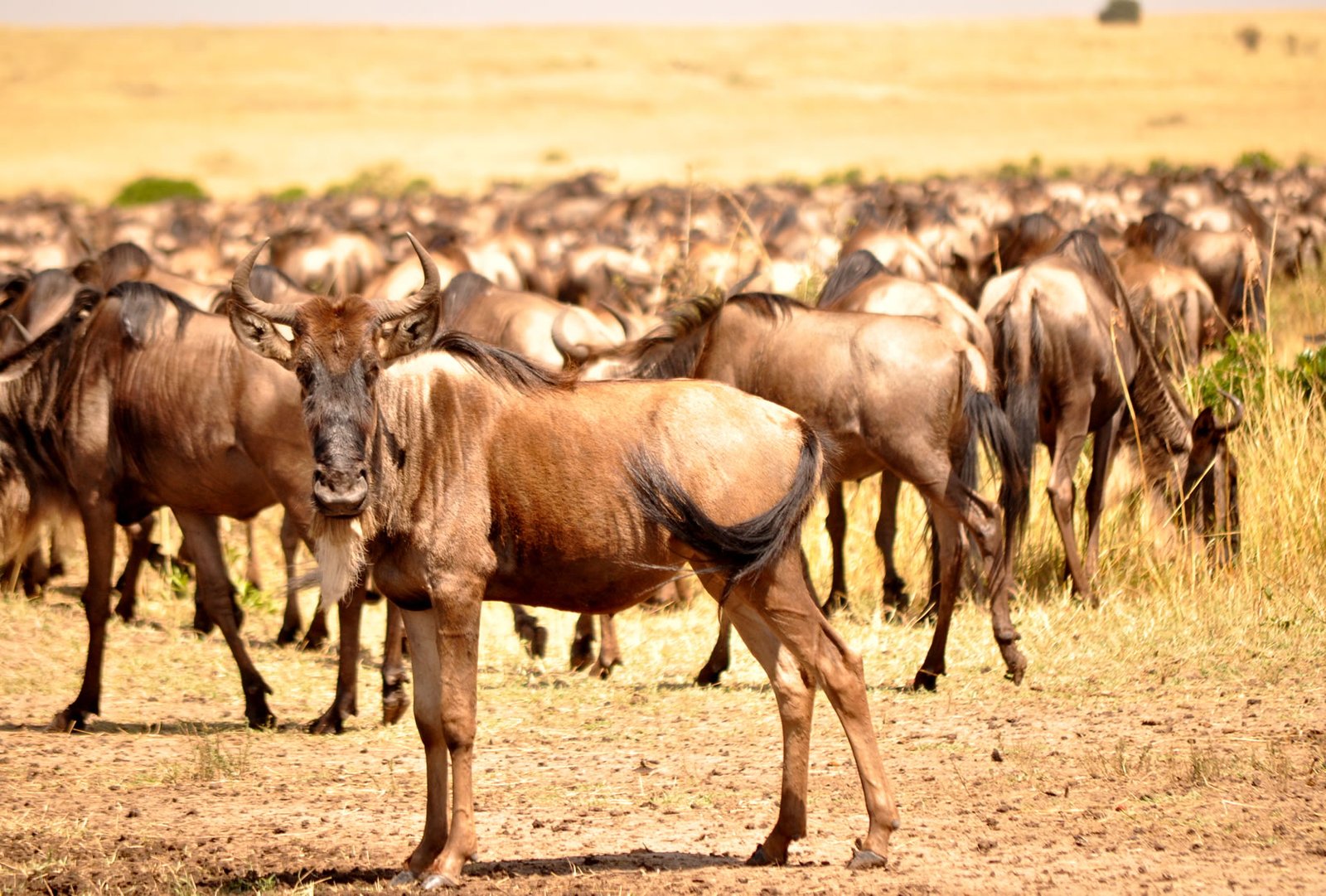
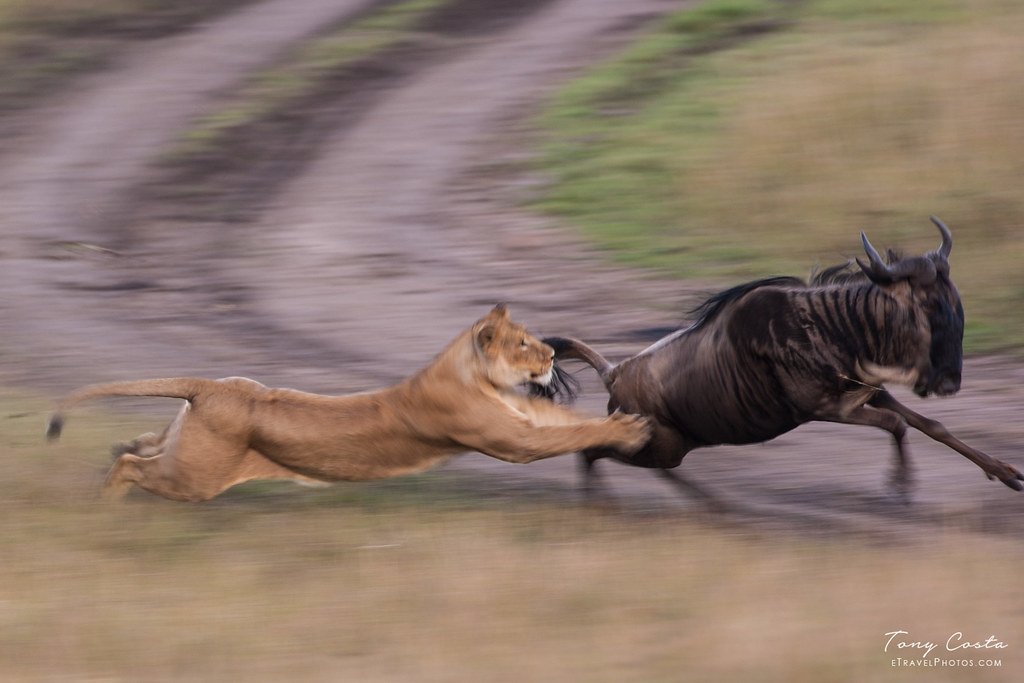
From January to March, the Great Migration gathers on the short-grass plains of Ndutu and the southern Serengeti, where nutrient-rich grazing draws huge herds of wildebeest and zebra. This is the peak calving period, with thousands of newborn wildebeest arriving within a few weeks. The abundance of vulnerable calves attracts lions, cheetahs, leopards, hyenas, and jackals, creating dramatic predator action. A Serengeti calving season safari usually focuses on flexible game drives around Ndutu, Lake Masek, and the southern Serengeti plains, with route choices guided by recent herd movement and local conditions. The itinerary is designed to maximize wildlife viewing during this extraordinary time, with camps strategically located near the calving grounds.
Late December to January sees the migration settle on the short-grass plains. February is the classic calving window, when thousands of calves can be born within a short period. From mid-February into early March, herds spread across the southern plains while calves gain strength, offering excellent predator sightings. By March, depending on rainfall, herds begin drifting north and west toward the central Serengeti.
Accommodation options include Ndutu mobile camps, Lake Masek seasonal camps, and central Serengeti lodges, ensuring you are always close to the action.
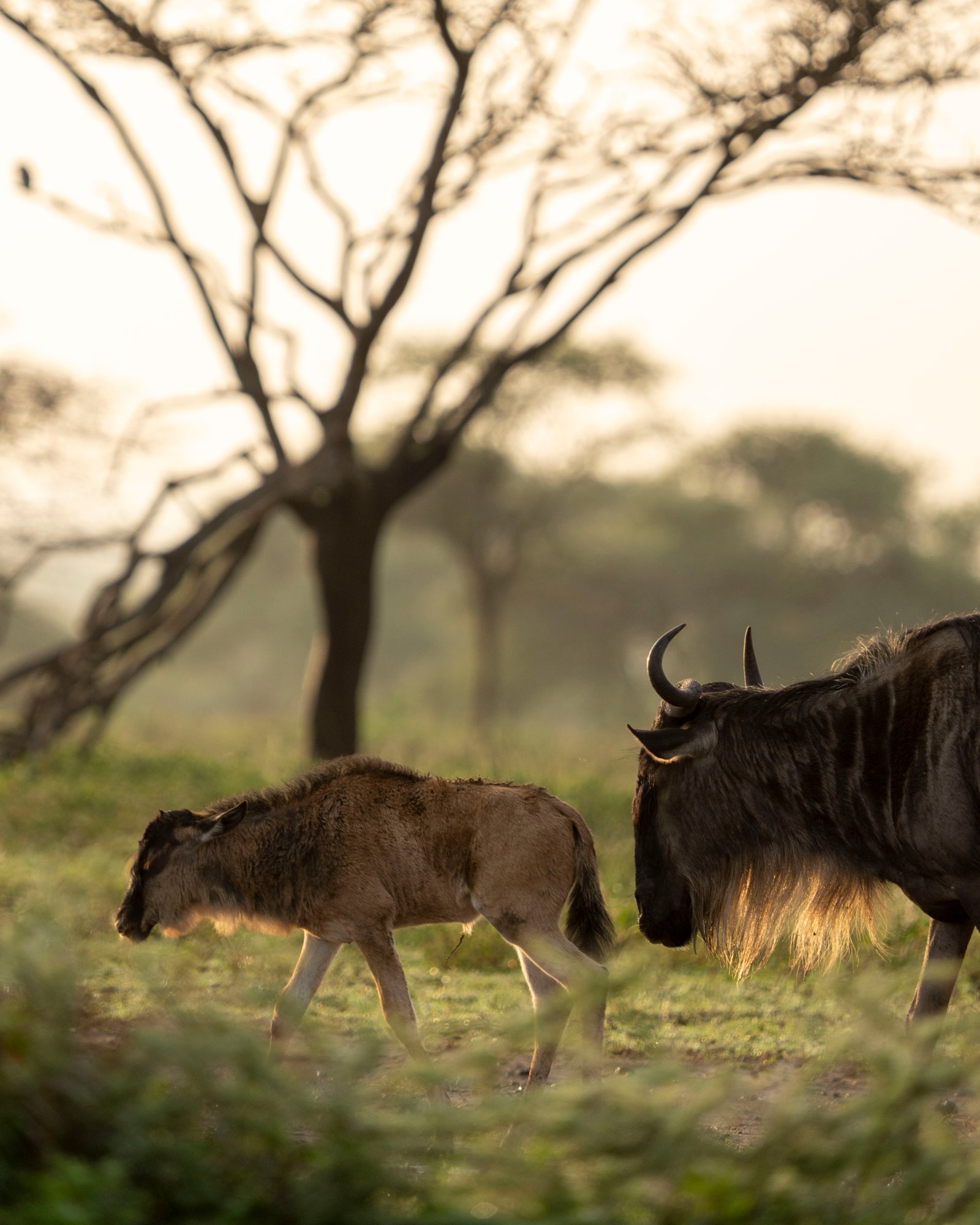
Arrive on the southern plains
Late December to January is when the migration usually settles across the short-grass plains of Ndutu, the southern Serengeti, and the Ngorongoro Conservation Area. Fresh grazing draws large herds of wildebeest and zebra, with predators beginning to follow closely. Guests should base near Ndutu or Lake Masek for flexible access to both conservation area and Serengeti plains.
- Location
- Ndutu or Lake Masek camp
- Included
- B / L / D
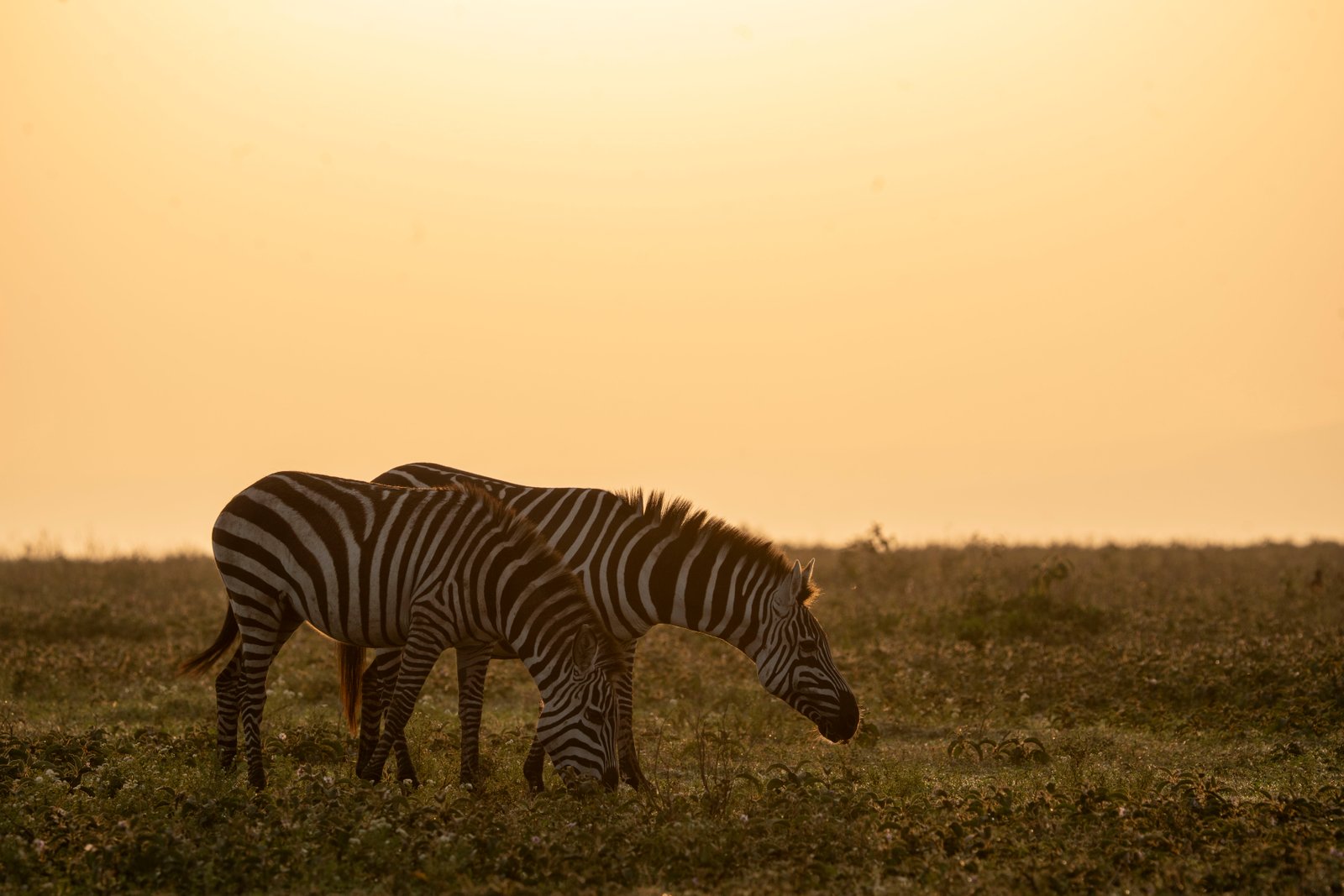
Peak calving around Ndutu
February is the classic calving window, when thousands of wildebeest calves can be born within a short period if rains and grazing are favorable. Game drives focus on the open plains around Ndutu, Kusini, Naabi, and Hidden Valley, where newborn calves attract lions, cheetahs, hyenas, jackals, and vultures. A Ndutu-based camp gives the best early and late game-drive access.
- Location
- Ndutu mobile camp
- Included
- B / L / D
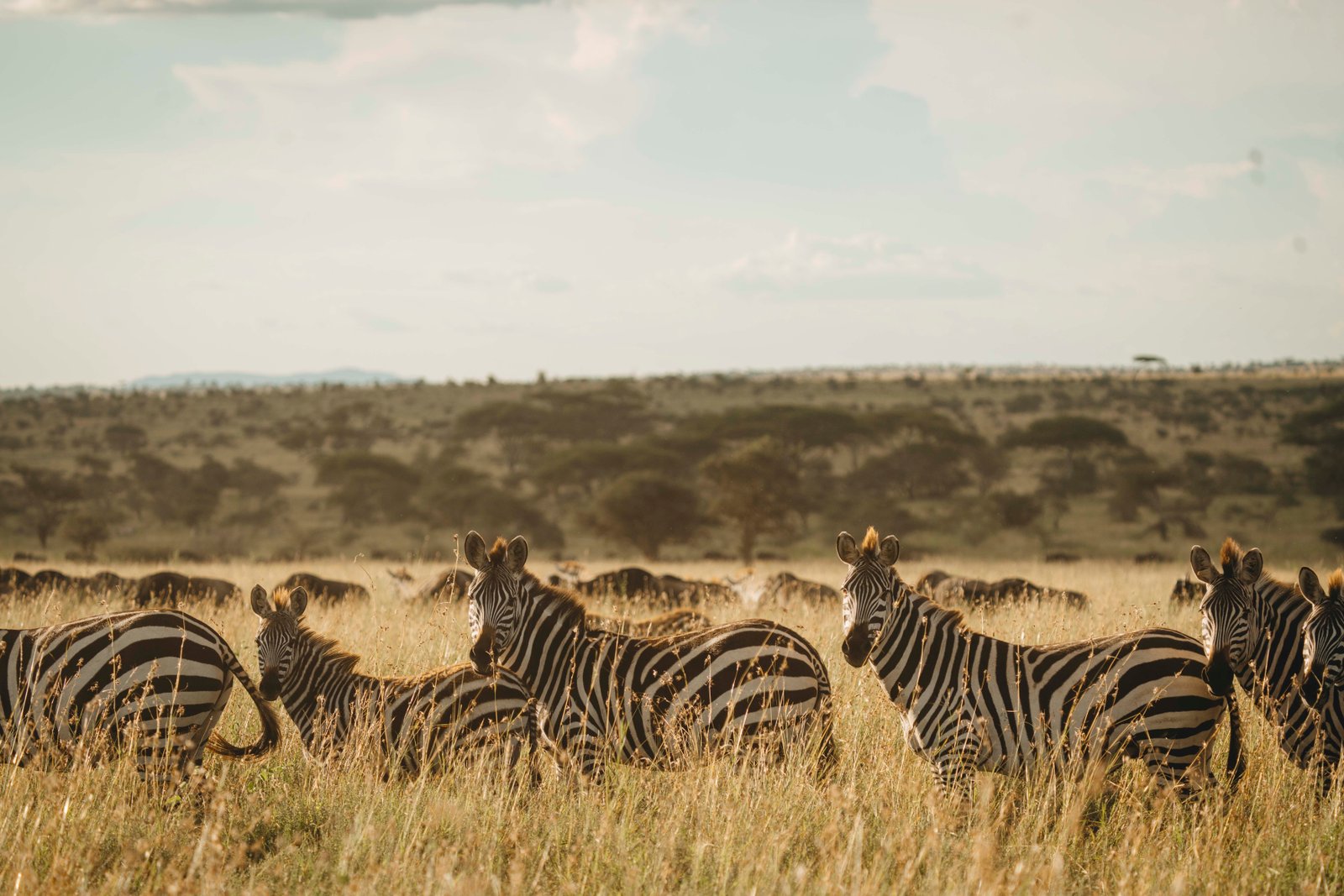
Predator action and short-grass grazing
From mid-February into early March, the herds often remain spread across the southern plains while calves gain strength. This is one of the best times for cheetah sightings in open country, while lions and hyenas patrol areas where herds are concentrated. Guests should keep a flexible route plan, as daily herd position can shift with local rain and fresh grass.
- Location
- Southern Serengeti seasonal camp
- Included
- B / L / D
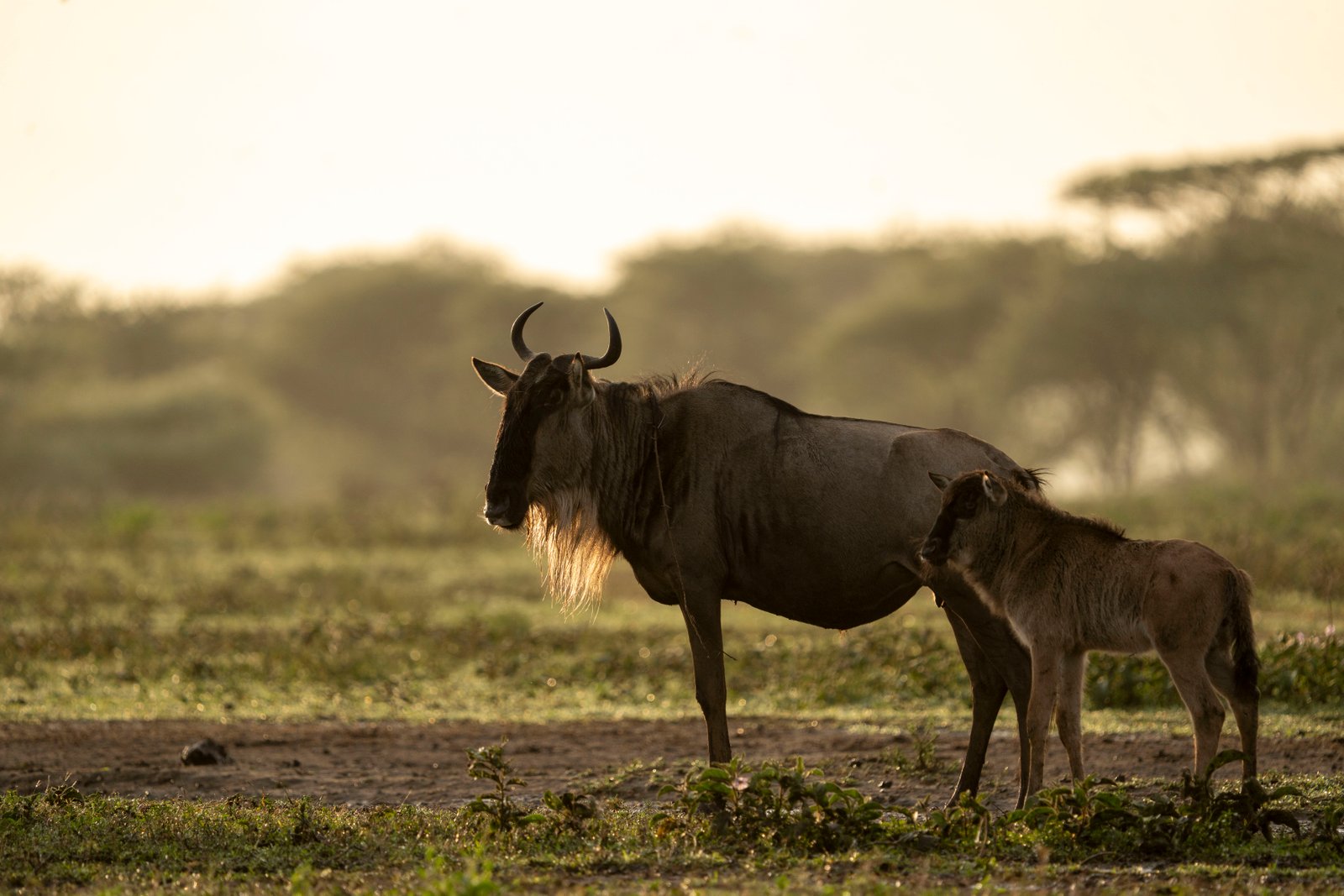
Move toward central Serengeti
By March, depending on rainfall, some herds begin drifting north and west from Ndutu toward the Seronera Valley and central Serengeti woodlands. Calves are stronger, predator encounters continue, and game drives may combine open plains with kopjes and river valleys. A final base in central Serengeti works well when herds start to leave the calving grounds.
- Location
- Central Serengeti camp
- Included
- B / L / D
Recommended Migration Safari Trips
Other Migration Journeys
Ready to start your journey?
Ready to plan this experience? Tell us your dates and we will tailor the perfect itinerary.