

Destinations
A closer look at Ruaha
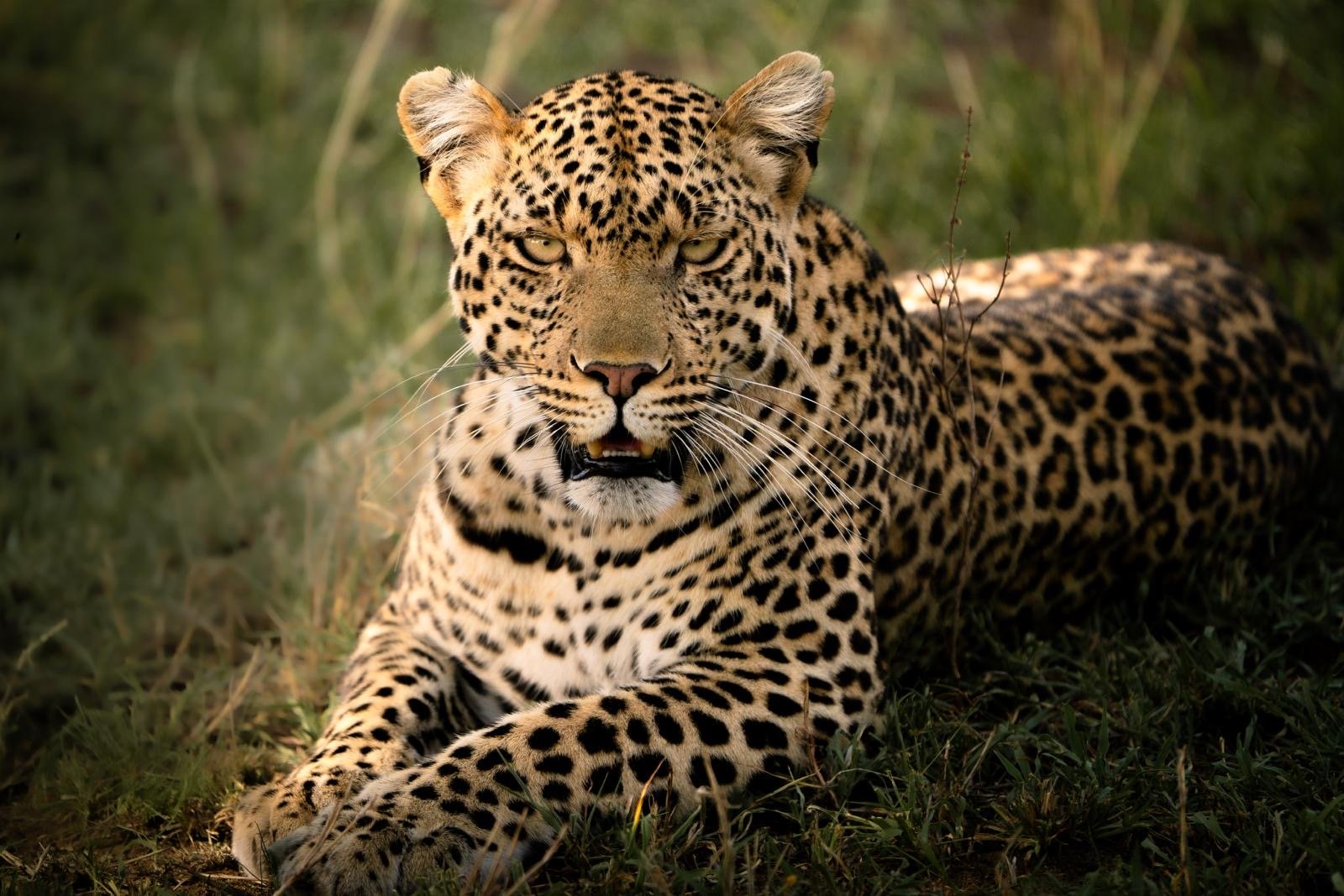
Ruaha is a remote southern Tanzania wilderness of baobabs, river valleys, elephants and big cats, ideal for travellers seeking wild scenery and fewer safari vehicles.
Ruaha National Park is one of Tanzania’s great southern safari destinations, known for its vast wilderness, dramatic baobab-studded landscapes and low visitor numbers. It suits travellers who want a quieter, more adventurous safari away from the busier northern circuit.
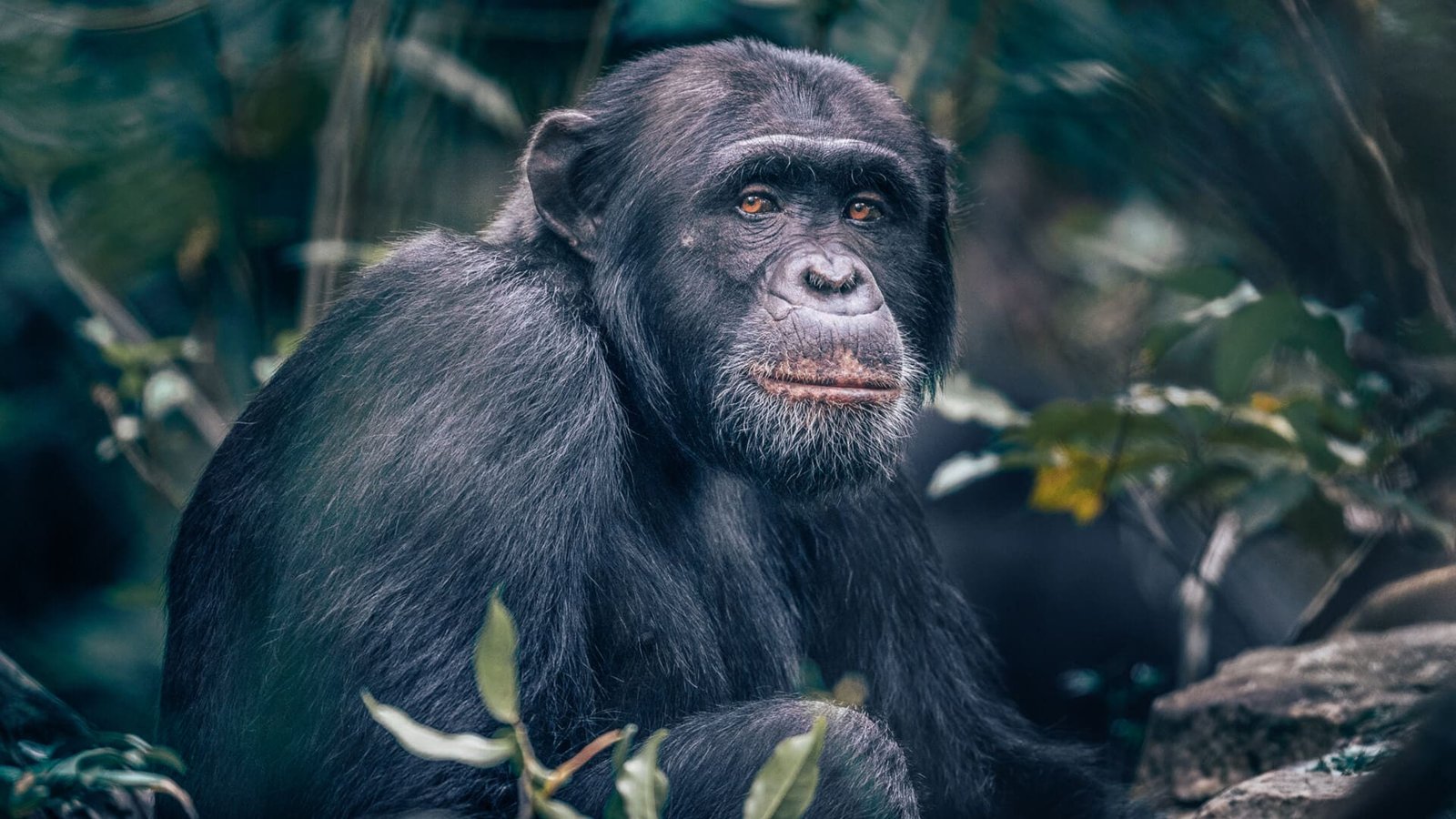
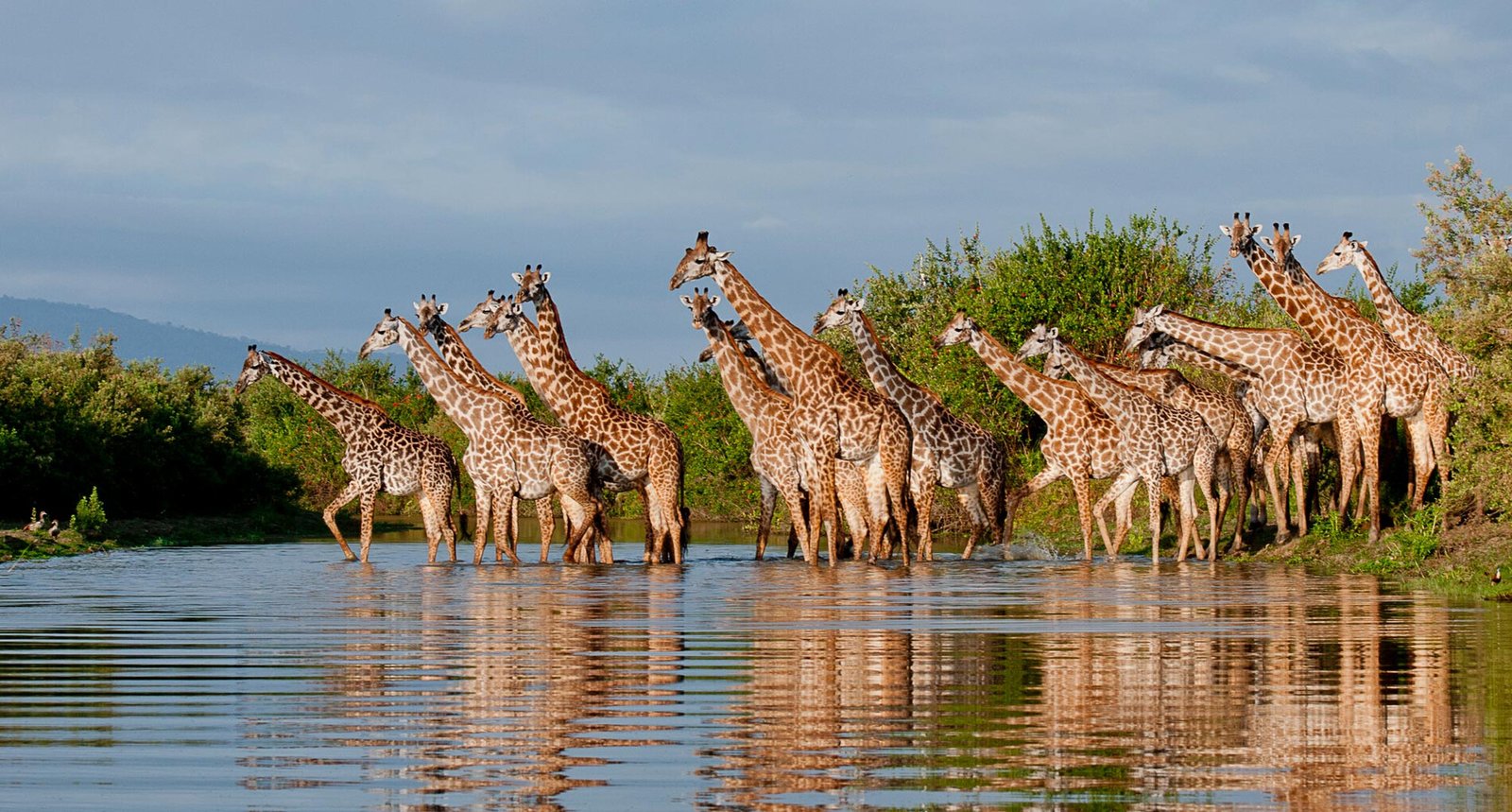
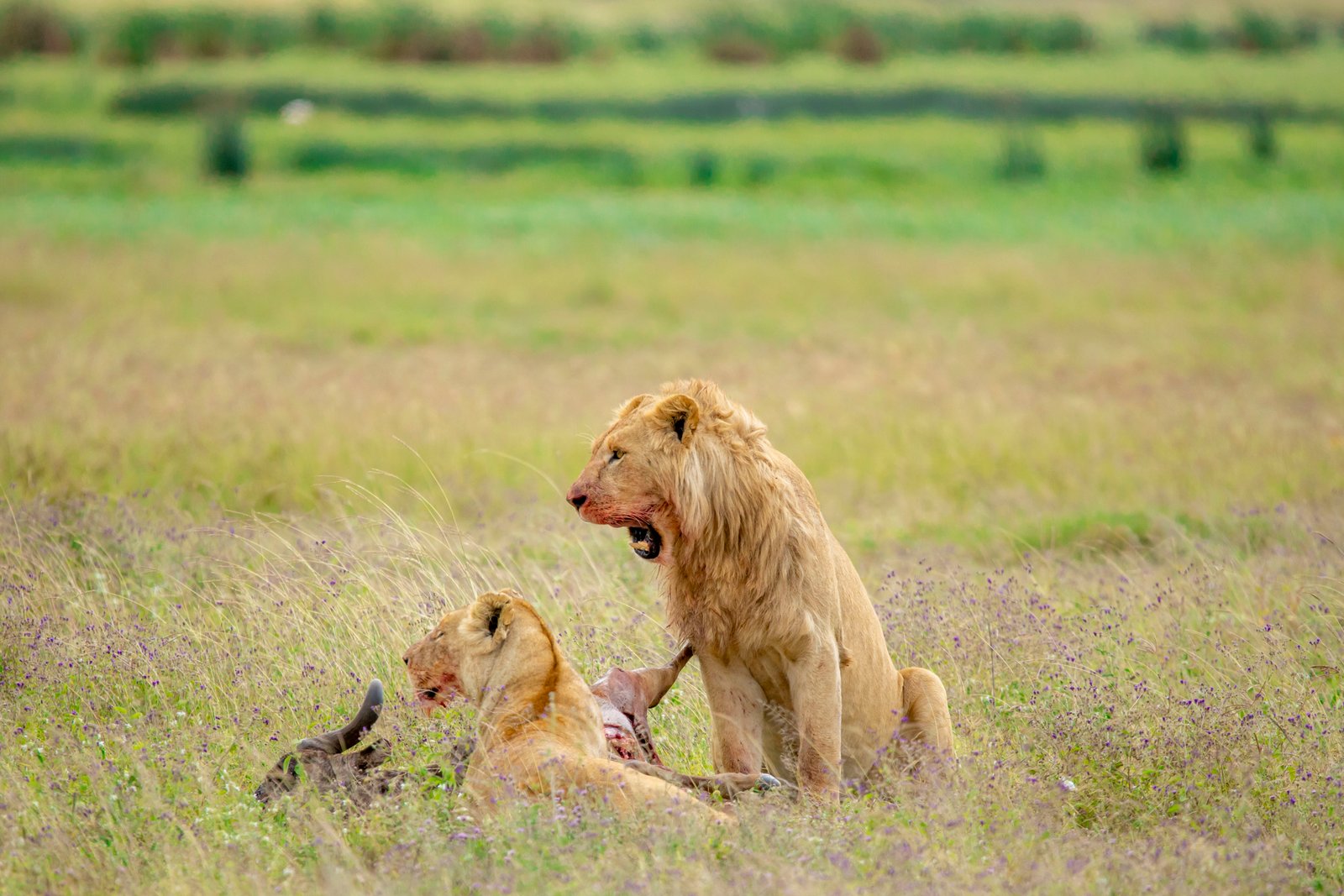
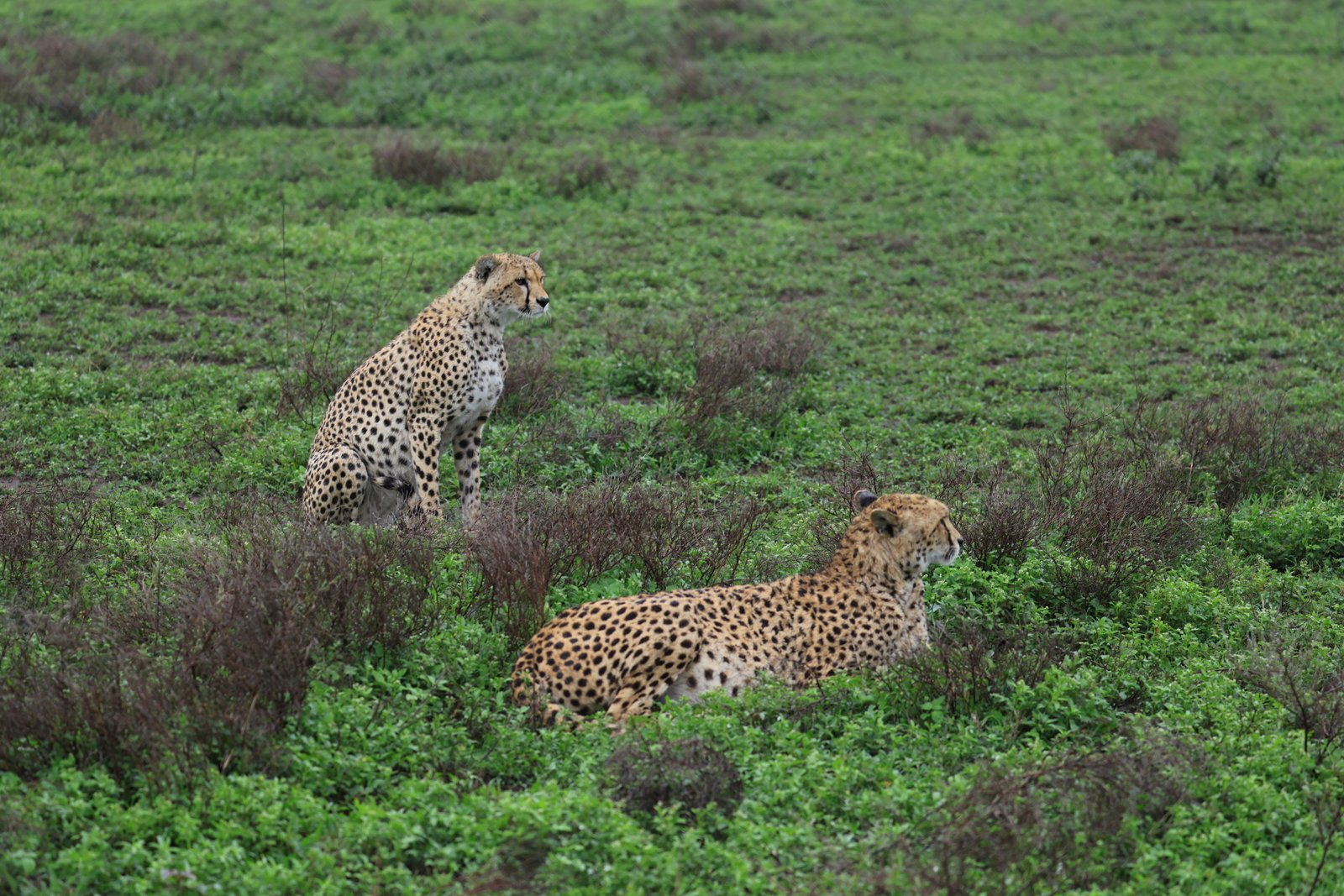
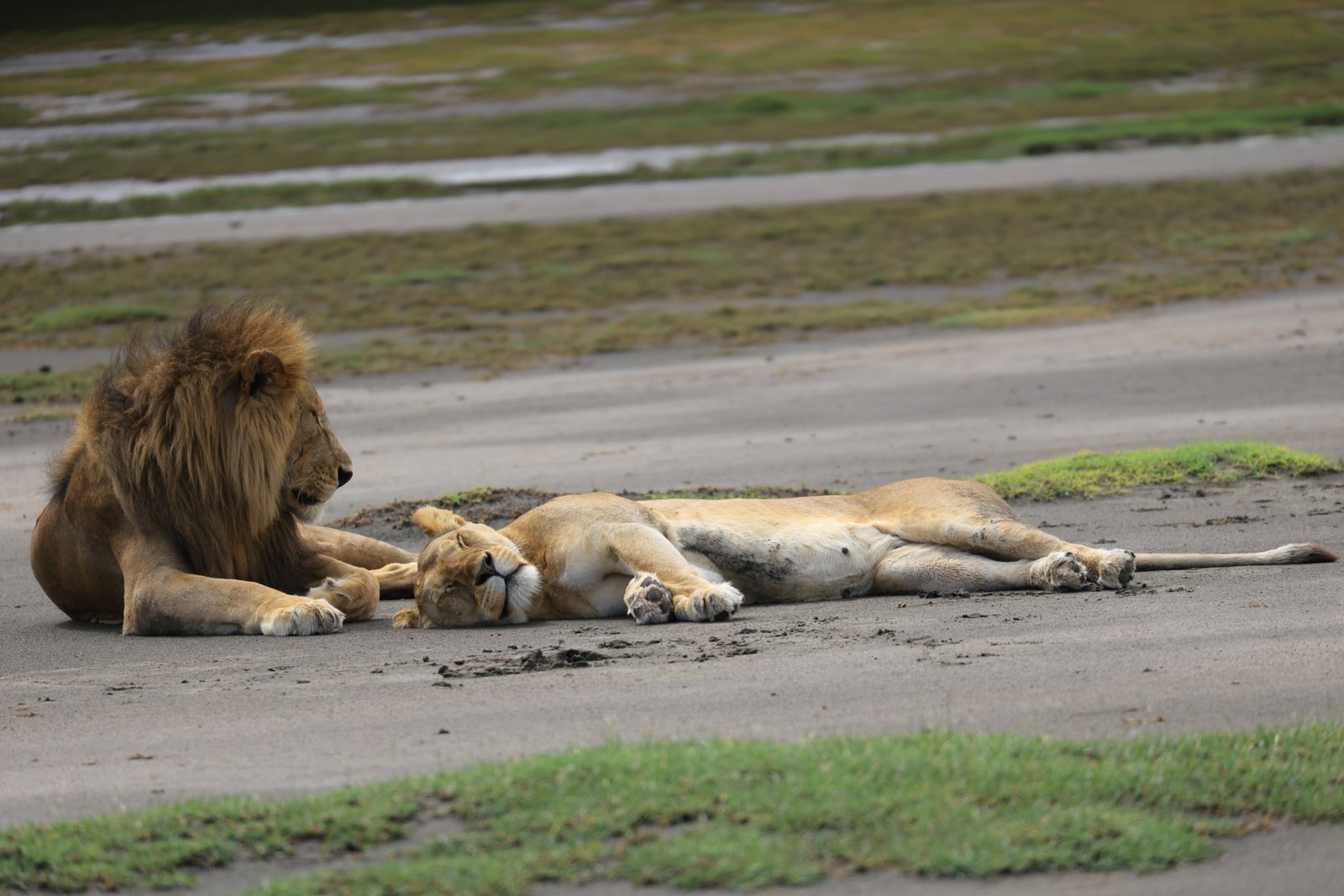
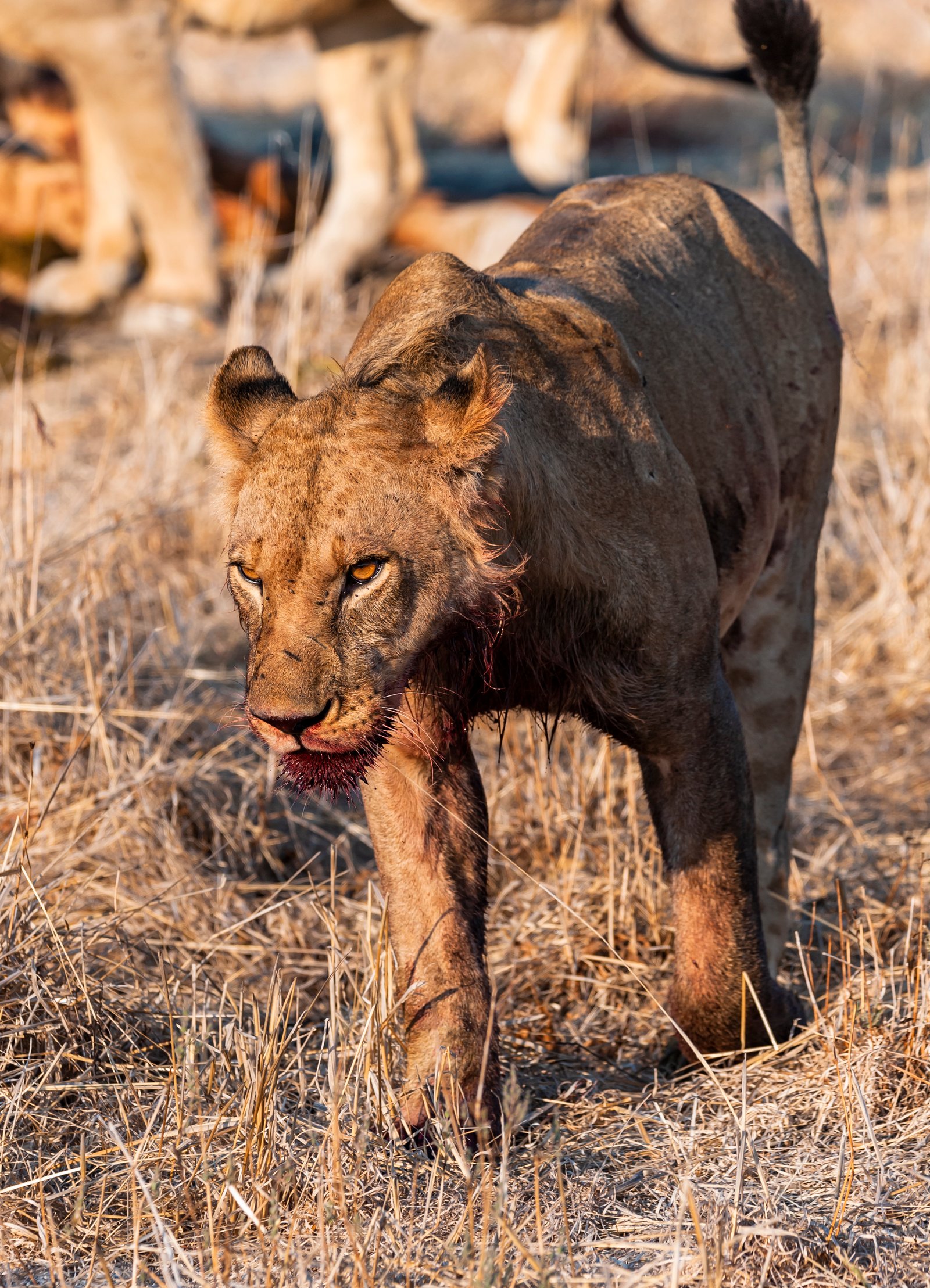
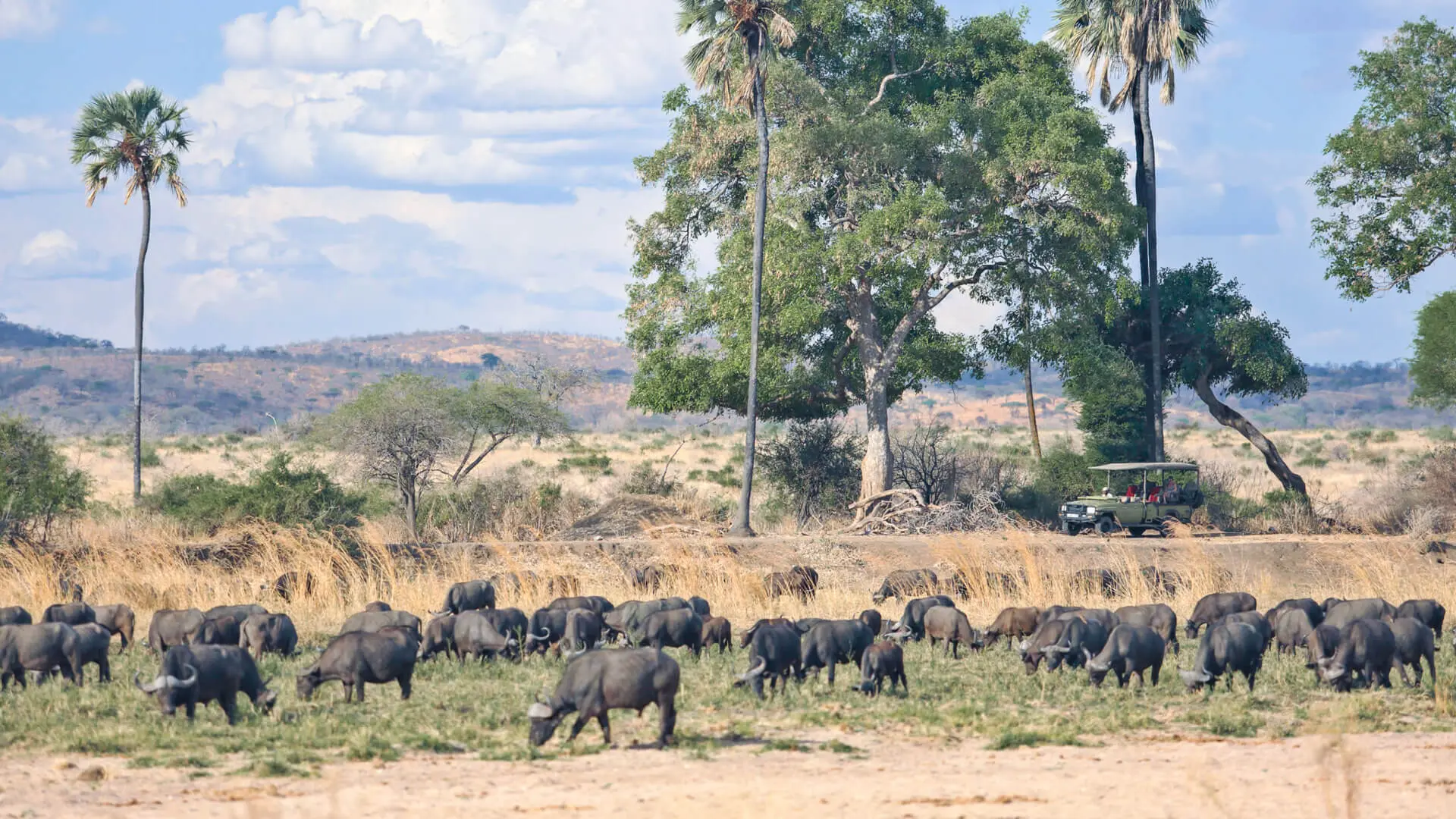
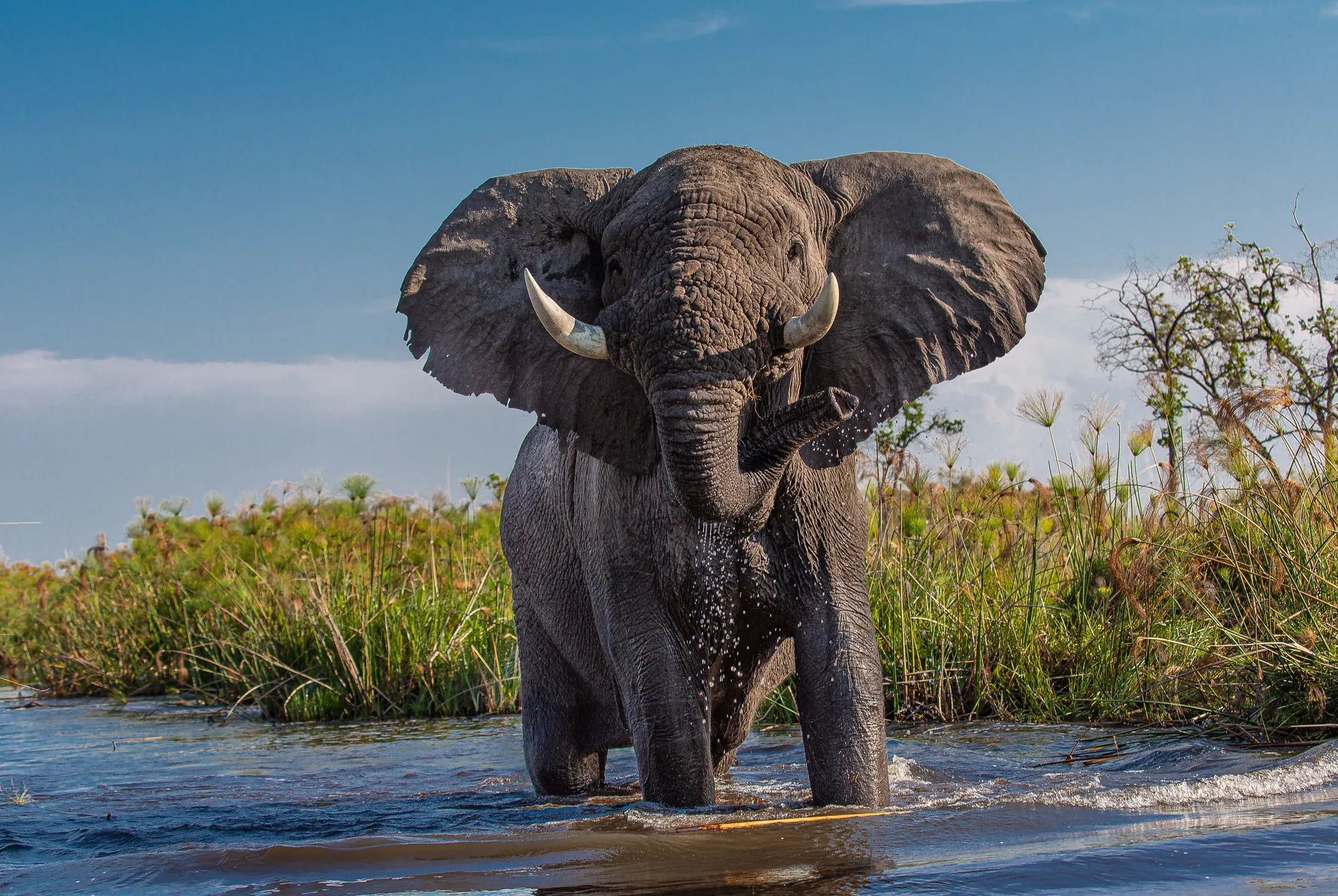
Wildlife viewing is especially rewarding around the Great Ruaha River and seasonal sand rivers, where elephants, giraffes, buffalo and antelope gather in the dry season. The park is also strong for predators, including lions, leopards, cheetahs and African wild dogs when sightings are favourable.
The best game viewing is typically during the dry months from June to October, when animals concentrate near remaining water. The green season brings lush scenery, birdlife and a more secluded atmosphere, although some remote tracks can be slower to access.
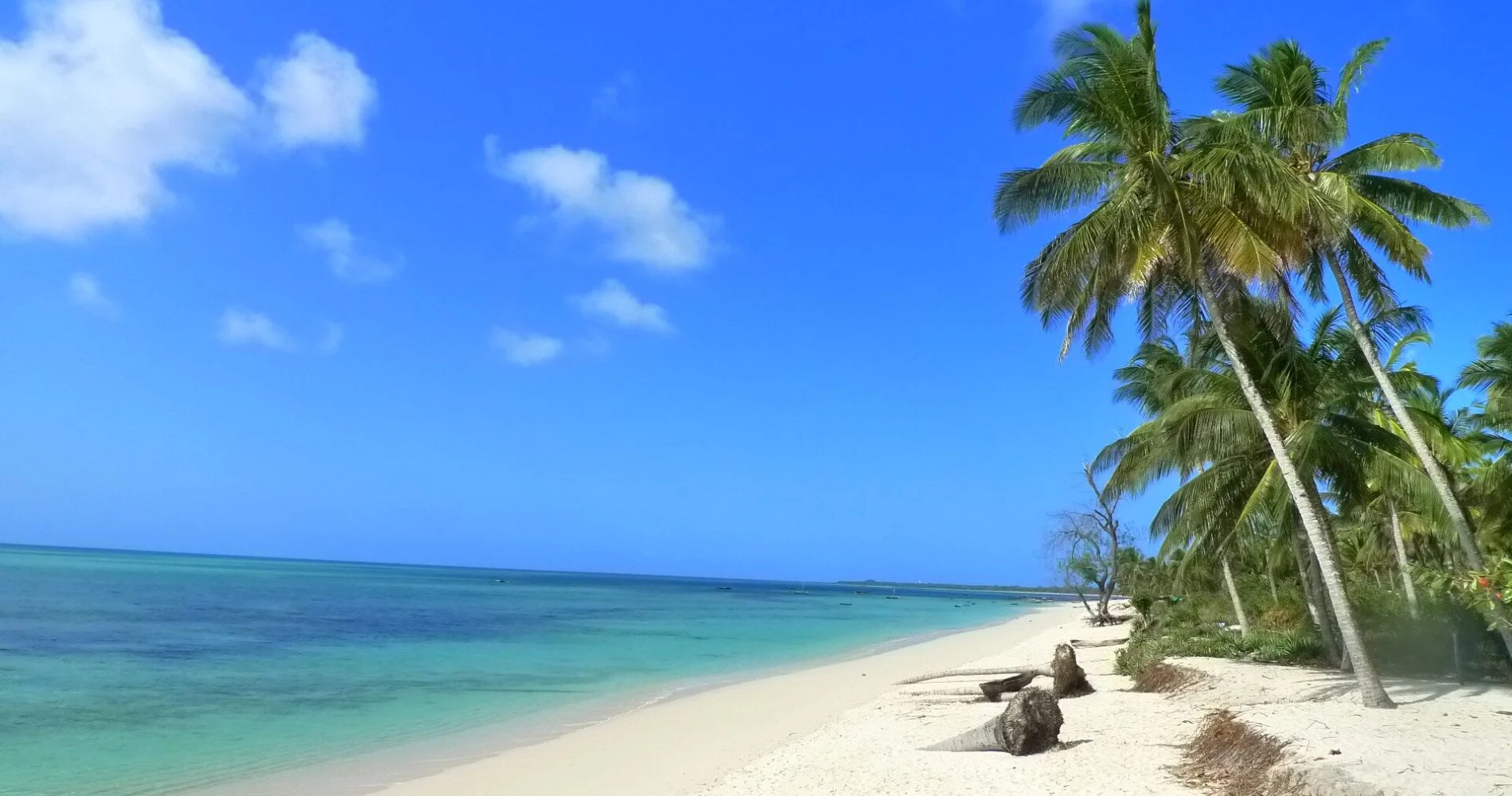
Ruaha is usually reached by scheduled or private flight from Dar es Salaam, Arusha or Zanzibar, and combines well with Nyerere National Park or a beach extension on the coast or islands.
Place Notes
What to Know Before You Go
01.
- Best For
- Peak wildlife viewing
- Planning Note
- Msembe and Great Ruaha River area
Dry season along the Great Ruaha River
From June to October, wildlife concentrates around the Great Ruaha River and remaining pools, making this the most reliable period for game drives. Expect strong chances of seeing elephants, buffalo, giraffes, antelope and predators using the river corridors.
02.
- Best For
- Lions, leopards and wild dogs
- Planning Note
- Mwagusi and central Ruaha valleys
Big cats and wild predators
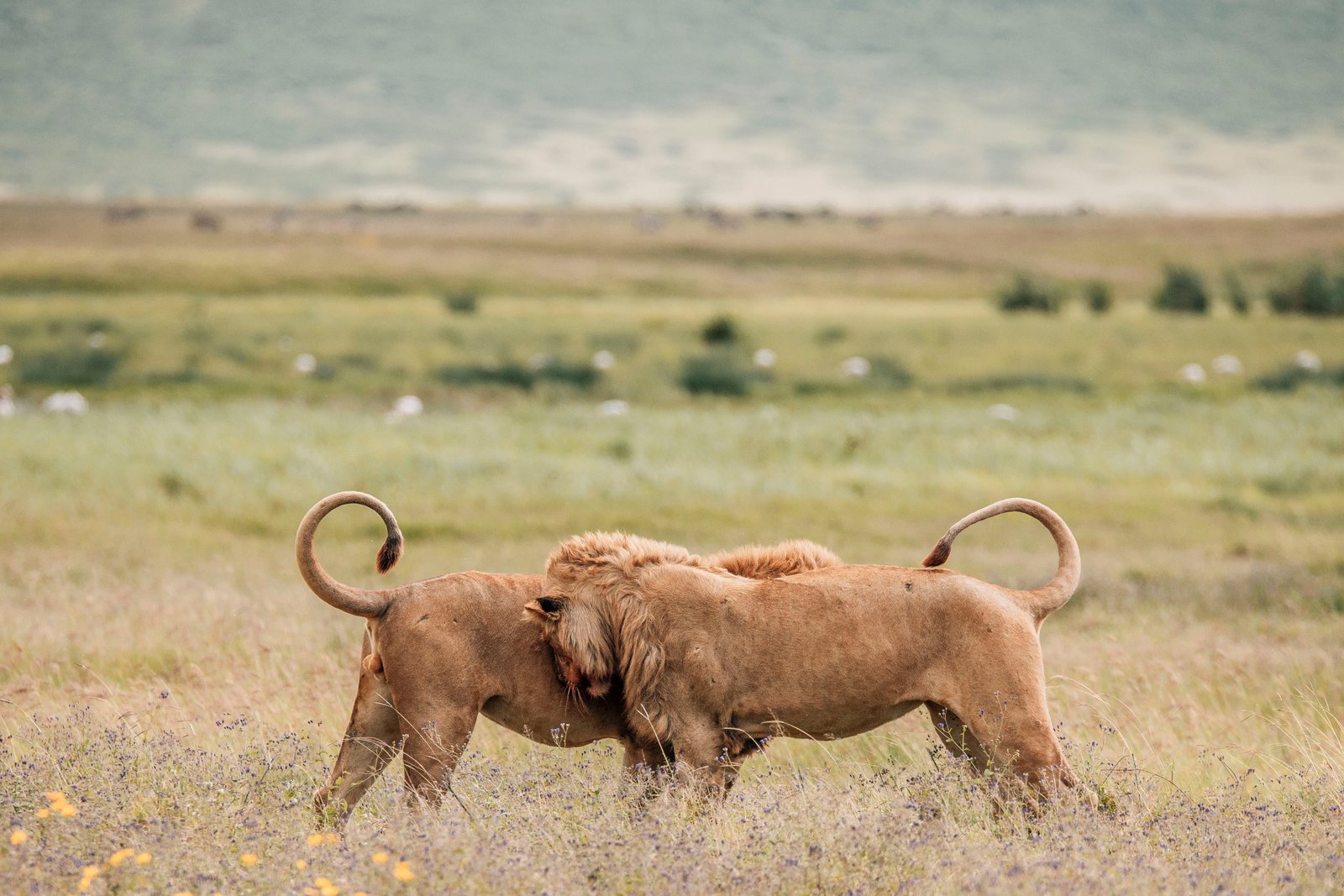
Ruaha is one of Tanzania’s strongest southern parks for predators, with good lion and leopard potential, plus cheetah and African wild dog sightings when conditions are favourable. Longer stays improve your chances, especially when exploring a mix of riverine woodland, plains and seasonal sand rivers.
03.
- Best For
- Scenery and solitude
- Planning Note
- Central Ruaha and baobab woodlands
Baobab scenery and remote wilderness
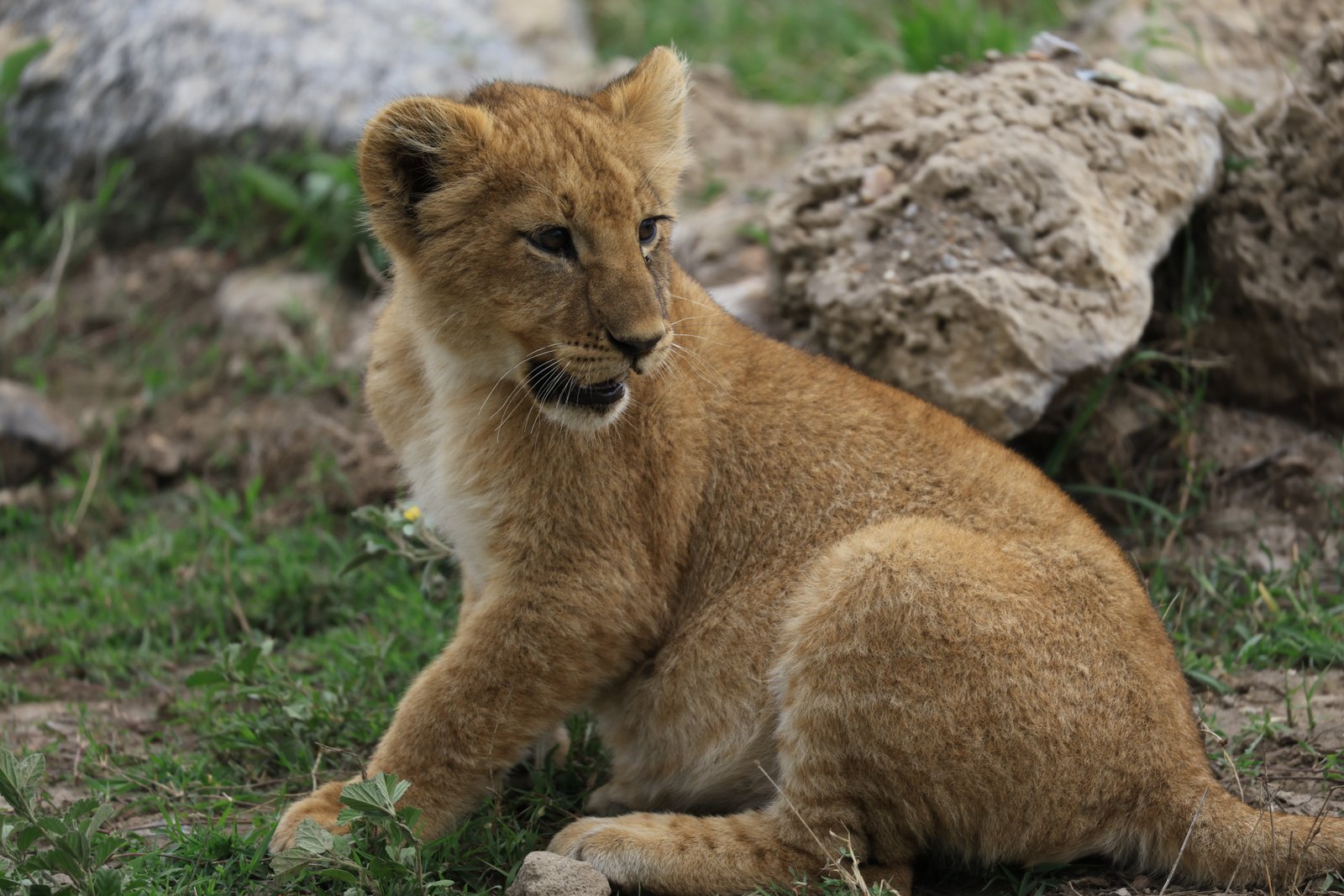
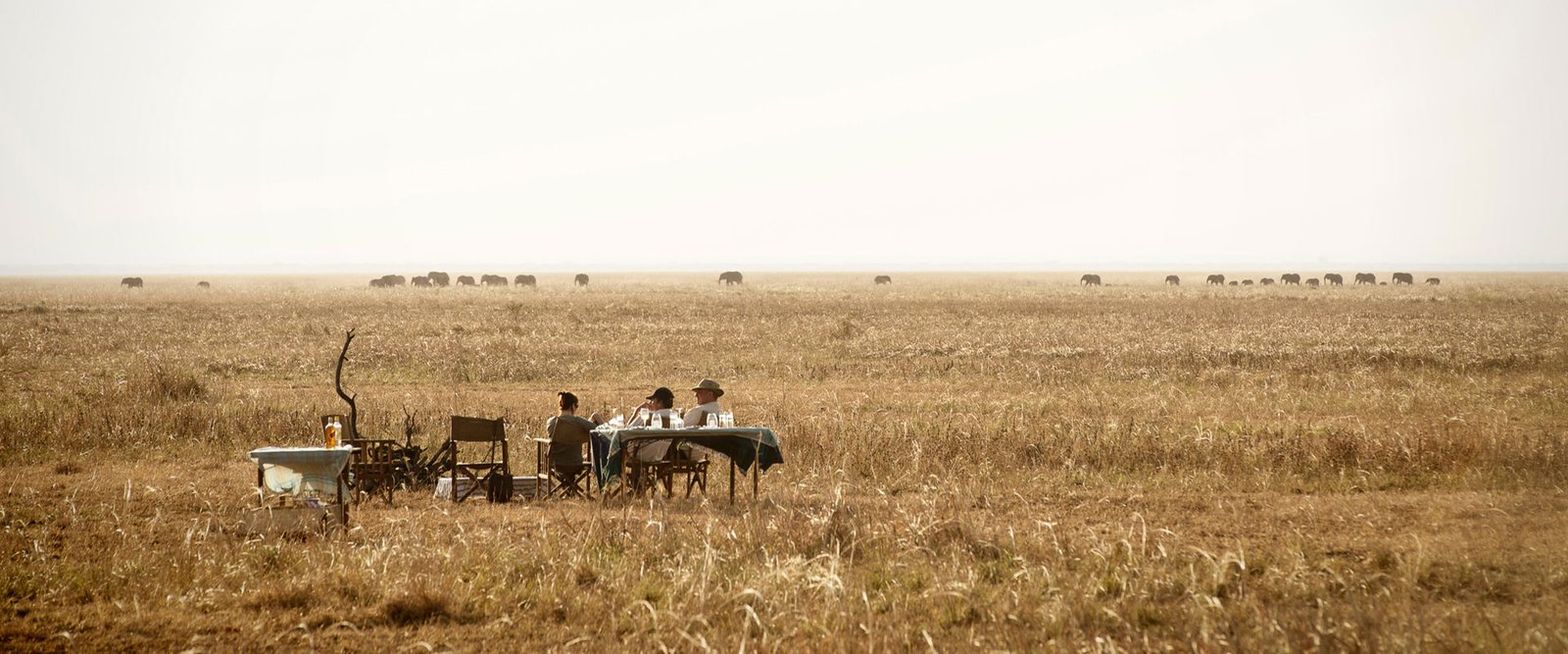
The park is known for dramatic baobab-studded landscapes, rocky hills and wide river valleys. Low visitor numbers give Ruaha a wild, spacious feel, making it ideal for travellers who prefer fewer vehicles and a more adventurous safari atmosphere.
04.
- Best For
- Birding and lush landscapes
- Planning Note
- Accessible central camps
Green season birdlife and quieter travel
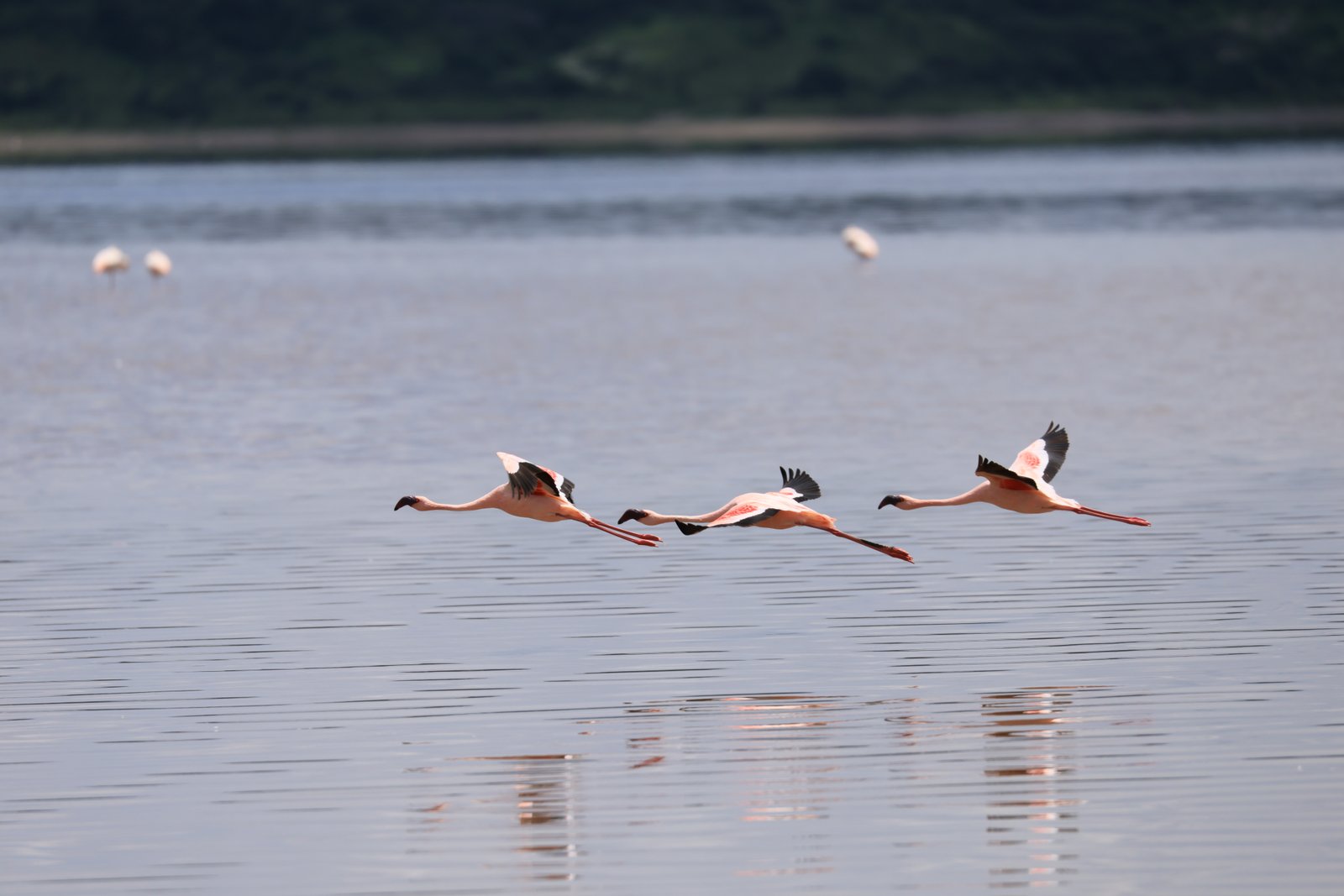
The green season brings fresh vegetation, dramatic skies and excellent birding, including migratory species. Wildlife can be more dispersed and some remote tracks may take longer to access, but the park feels especially peaceful and photographic.
05.
- Best For
- Remote fly-in safaris
- Planning Note
- Ruaha airstrips and central camps
Fly-in access and southern circuit combinations
Ruaha is most commonly reached by scheduled or private flight from Dar es Salaam, Arusha or Zanzibar. It combines well with Nyerere National Park for a varied southern Tanzania safari, or with a beach extension on the coast, Zanzibar or nearby islands.
Recommended Packages
Safari Packages Featuring Ruaha
Plan This Destination
Build Ruaha into your safari.
Tell us when you want to travel and what kind of pace you like. We will shape the route, lodges, and nearby parks around the best season for this destination.
Keep Exploring