


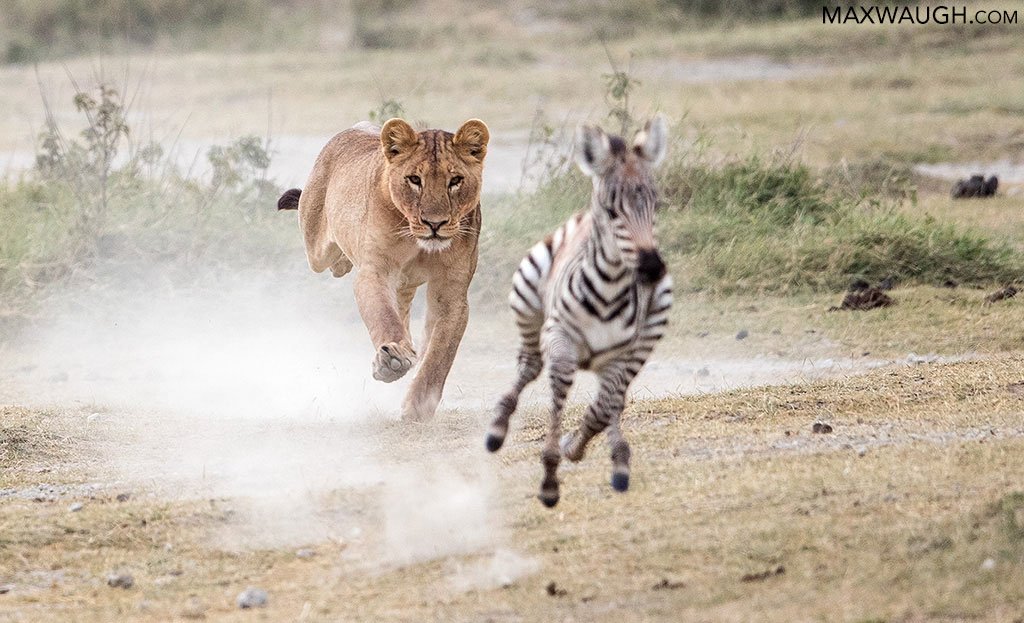
A safari in Tanzania can be anything from a classic Northern Circuit adventure to a quieter journey through remote southern and western parks. Most first-time travelers combine Serengeti National Park, the Ngorongoro Crater, Tarangire National Park and Lake Manyara, creating a strong mix of big cats, elephants, landscapes and cultural experiences.
The best time to travel depends on what you want to see. The dry season from June to October is excellent for wildlife viewing, while the Serengeti’s Great Migration moves through different areas across the year. Calving usually takes place in the southern Serengeti and Ndutu area from around January to March, while dramatic river crossings are most often associated with the northern Serengeti from around July to October.
Expect early starts, game drives in a 4x4 safari vehicle, expert guiding and varied accommodation ranging from comfortable lodges to tented camps. Tanzania safaris can be tailored for couples, families, photographers and first-time visitors, with fly-in options available for travelers who want to reduce long road transfers.
Before you go, think about your travel style, budget range, preferred level of comfort and the amount of time you have. A well-planned itinerary balances famous wildlife areas with realistic driving distances, giving you more time in the bush and less time rushing between parks.
Choosing the right safari route
For a first Tanzania safari, the Northern Circuit is usually the easiest and most rewarding route because it links Serengeti National Park, the Ngorongoro Crater, Tarangire and Lake Manyara with reliable wildlife viewing and well-developed safari logistics. Travelers with more time or a return visit may prefer quieter southern or western parks for a more remote experience.
- Reader Note
- Best starting point for first-time travelers
- Related Place
- Northern Tanzania
Understanding the best time to go
Tanzania offers strong safari experiences year-round, but the dry season from June to October is especially good for spotting wildlife around water sources. If the Great Migration is a priority, match your route to the herds’ seasonal movement, from the southern Serengeti and Ndutu during calving months to the northern Serengeti during the main river crossing season.
- Reader Note
- Plan dates around wildlife priorities
- Related Place
- Serengeti National Park
What to expect on game drives
Most safari days begin early, when wildlife is more active and temperatures are cooler. You will travel with a professional guide in a 4x4 safari vehicle, stopping for sightings, photography and picnic meals when needed. Flexibility is important, as wildlife movements, weather and road conditions can shape each day in the bush.
- Reader Note
- Expect early starts and flexible days
- Related Place
- Tanzania safari parks
Balancing comfort, time and budget
A good itinerary should match your travel style without rushing between parks. Lodges and tented camps range from comfortable mid-range options to high-end properties, while fly-in safaris can reduce long drives for travelers with limited time. The best plan leaves enough time in each area to enjoy wildlife rather than constantly changing locations.
- Reader Note
- Prioritize time in the bush over too many stops
- Related Place
- Safari lodges and tented camps
Preparing before you travel
Before booking, think about your group size, preferred pace, luggage needs, camera gear and any special interests such as photography, family travel or cultural visits. Pack neutral-colored clothing, layers for cool mornings, sun protection and any personal medication. Your safari operator can also advise on park rules, tipping guidance and practical arrival details.
- Reader Note
- Useful checklist before confirming your trip
- Related Place
- Arusha and safari gateways
More Stories
You May Also Like
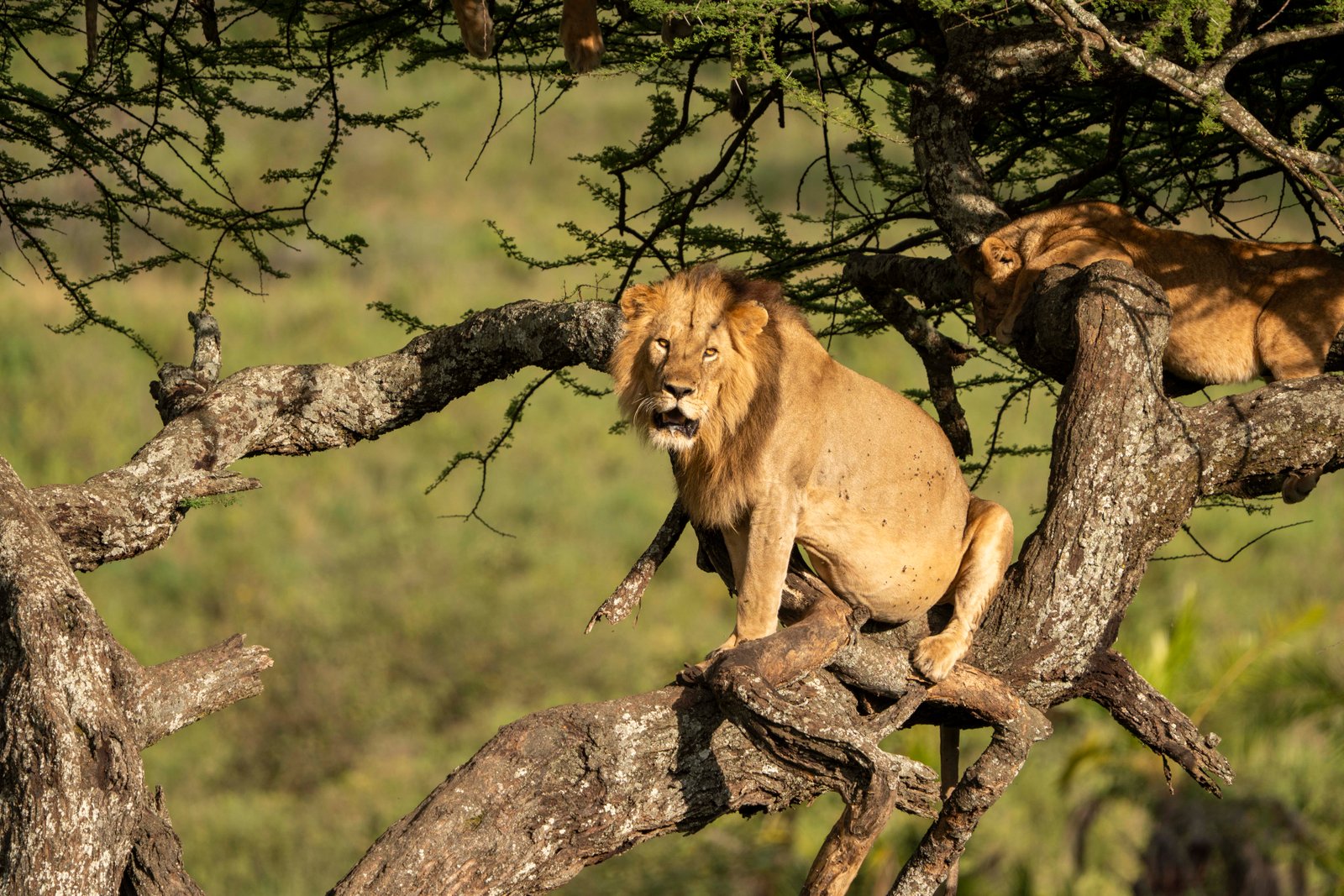
Best Time to Visit Tanzania
Tanzania is rewarding year-round, but the best time depends on wildlife, weather, crowds, and whether the Serengeti migration is part of your safari dream.
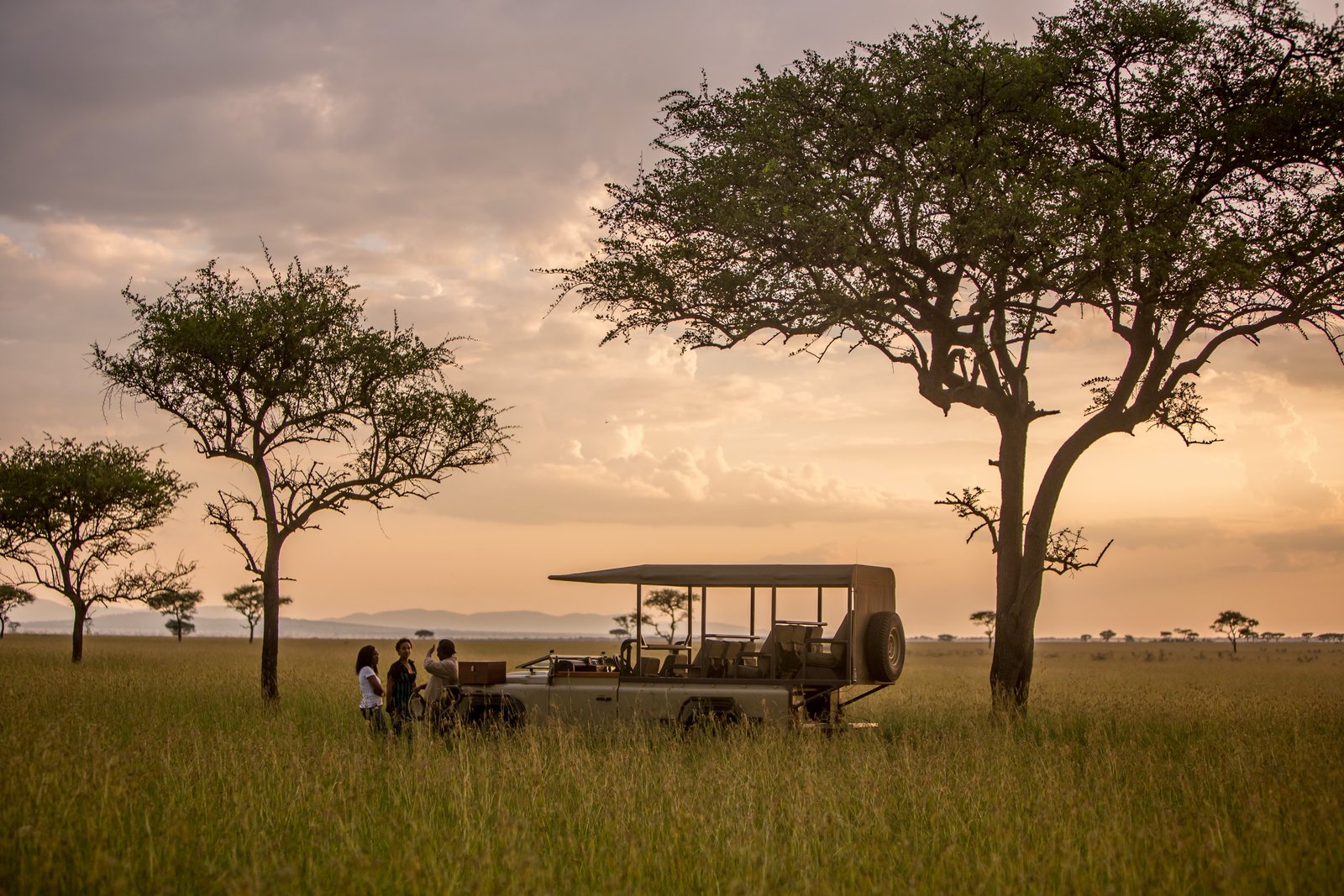
Off the Clock
Step away from busy schedules and discover how a Tanzania safari helps you slow down, reconnect with nature, and travel at a wilder pace.