


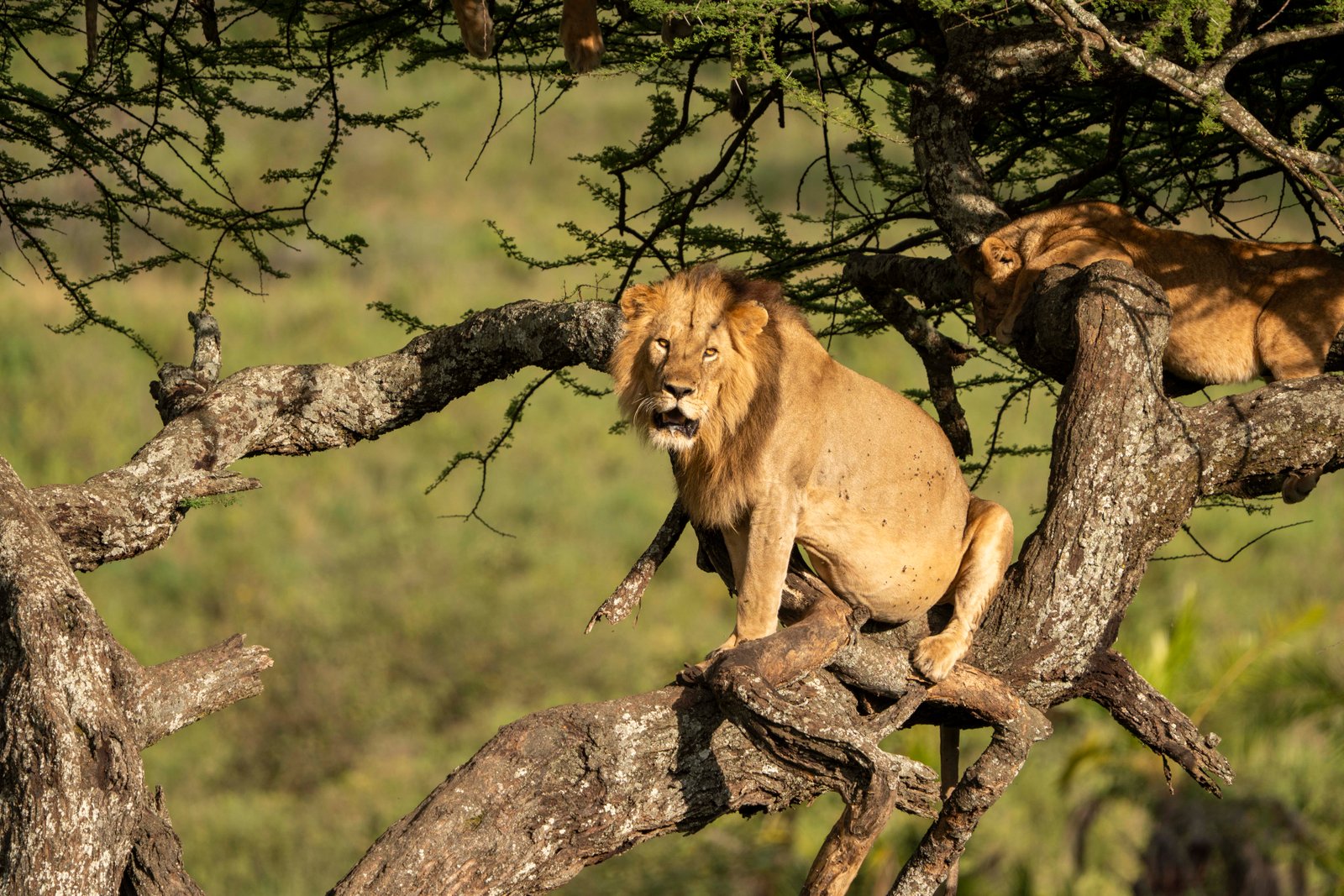
The best time to visit Tanzania for a classic safari is generally the dry season from June to October. Wildlife is easier to spot as vegetation thins and animals gather around rivers and waterholes in parks such as Serengeti, Tarangire, Ruaha, and Nyerere.
For the Great Migration, timing depends on the herds’ movement. January to March is best for calving in the southern Serengeti and Ndutu area, while July to October is the main period for dramatic river crossings in the northern Serengeti, depending on rainfall and herd movement.
November to May is Tanzania’s green season, with lush landscapes, excellent birding, newborn animals, and fewer visitors in many areas. April and May are usually the wettest months, but they can still suit travelers looking for quieter parks and softer scenery.
If you are combining safari with Zanzibar or the coast, June to October and December to February are popular for beach weather. The right month depends on your route, budget, and priorities, so planning around specific parks is the best approach.
Understanding the best time to visit Tanzania helps you choose the ideal season for your safari, whether you want to witness the migration, enjoy green landscapes, or relax on Zanzibar’s beaches. Each season offers unique experiences, and with careful planning, you can tailor your trip to match your interests.
Dry season safari months
June to October is the most popular window for a classic Tanzania safari. Days are usually dry, vegetation is thinner, and animals are easier to find near rivers, marshes, and waterholes. This is a strong choice for first-time visitors who want reliable game viewing and comfortable travel conditions.
- Reader Note
- Best for first-time safari travelers
- Related Place
- Serengeti, Tarangire, Ruaha, Nyerere
Great Migration timing
The Great Migration is a year-round movement, so the best area depends on the month. January to March is ideal for calving in the southern Serengeti and Ndutu area, while July to October is the main season for possible Mara River crossings in the northern Serengeti. Exact timing varies with rainfall and grazing conditions.
- Reader Note
- Plan by region, not just by month
- Related Place
- Southern and Northern Serengeti
Green season advantages
November to May brings greener landscapes, excellent birding, and fewer visitors in many safari areas. January to March can be especially rewarding for newborn wildlife, while April and May are usually the wettest months. Travelers who do not mind occasional rain may enjoy quieter parks and softer photographic light.
- Reader Note
- Good for birding, scenery, and fewer crowds
- Related Place
- Serengeti, Ngorongoro, Tarangire
Safari and Zanzibar combinations
If you want to add beach time after safari, June to October and December to February are often preferred for Zanzibar and Tanzania’s coast. These months usually pair well with wildlife routes in northern Tanzania, but the best plan depends on your safari parks, flight connections, and preferred beach style.
- Reader Note
- Best for safari-plus-beach itineraries
- Related Place
- Zanzibar and Tanzania Coast