


Reiseziele
A closer look at Serengeti National Park
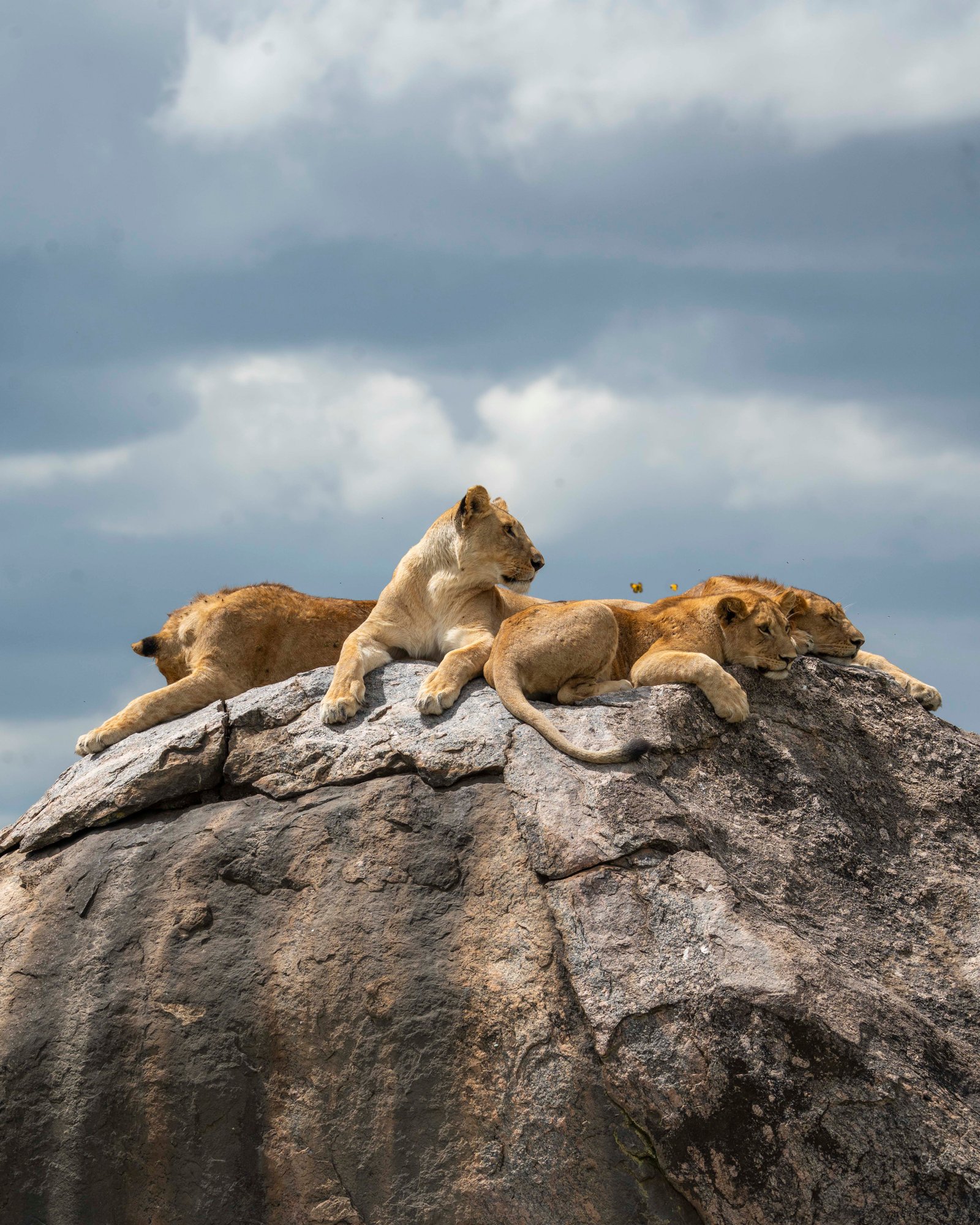
Explore Serengeti National Park, Tanzania’s legendary safari wilderness, famous for the Great Migration, big cats and vast golden plains.
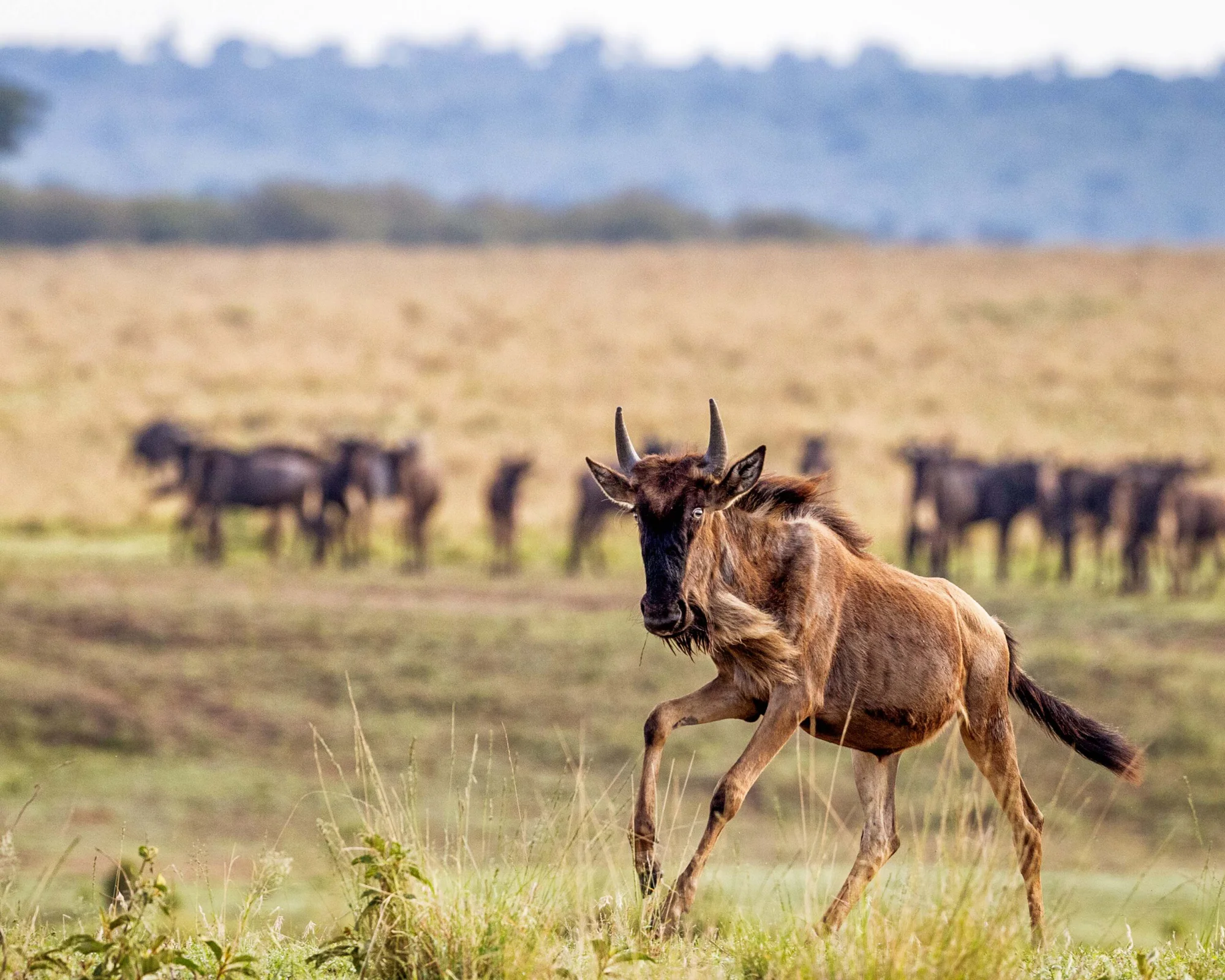
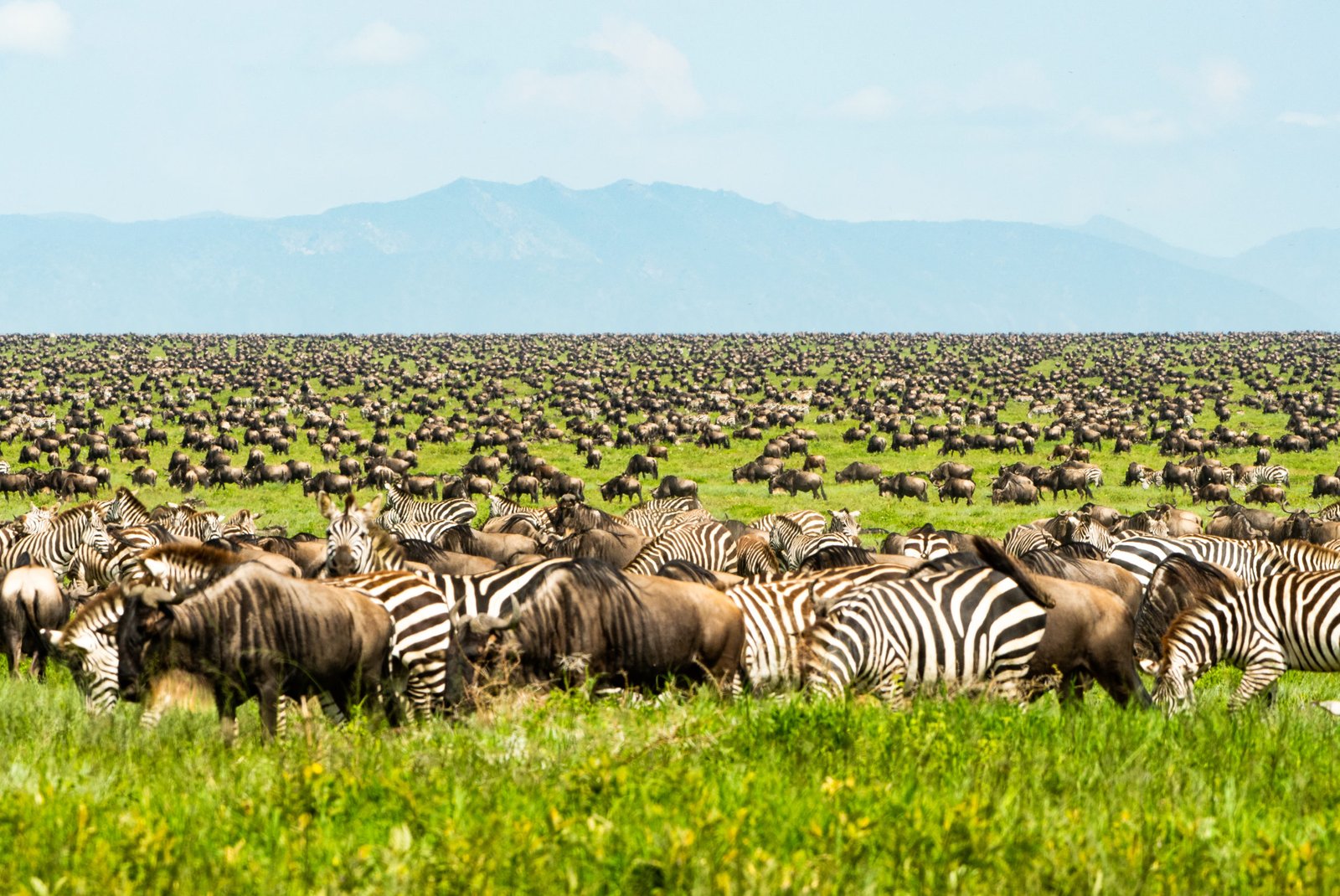
Serengeti National Park is Tanzania’s most iconic safari destination, known for endless savannahs, exceptional predator sightings and one of the greatest wildlife movements on earth: the annual wildebeest migration.
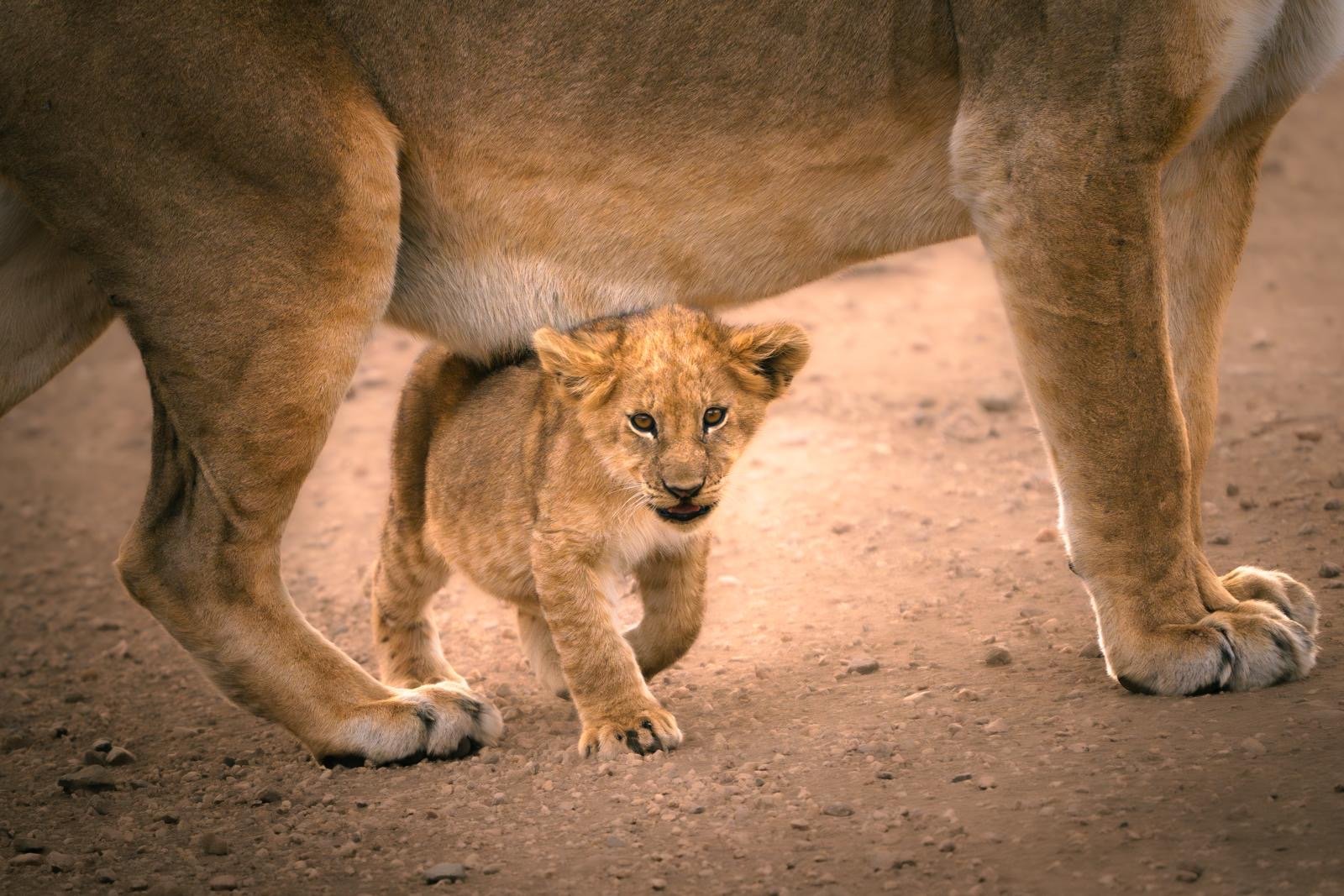
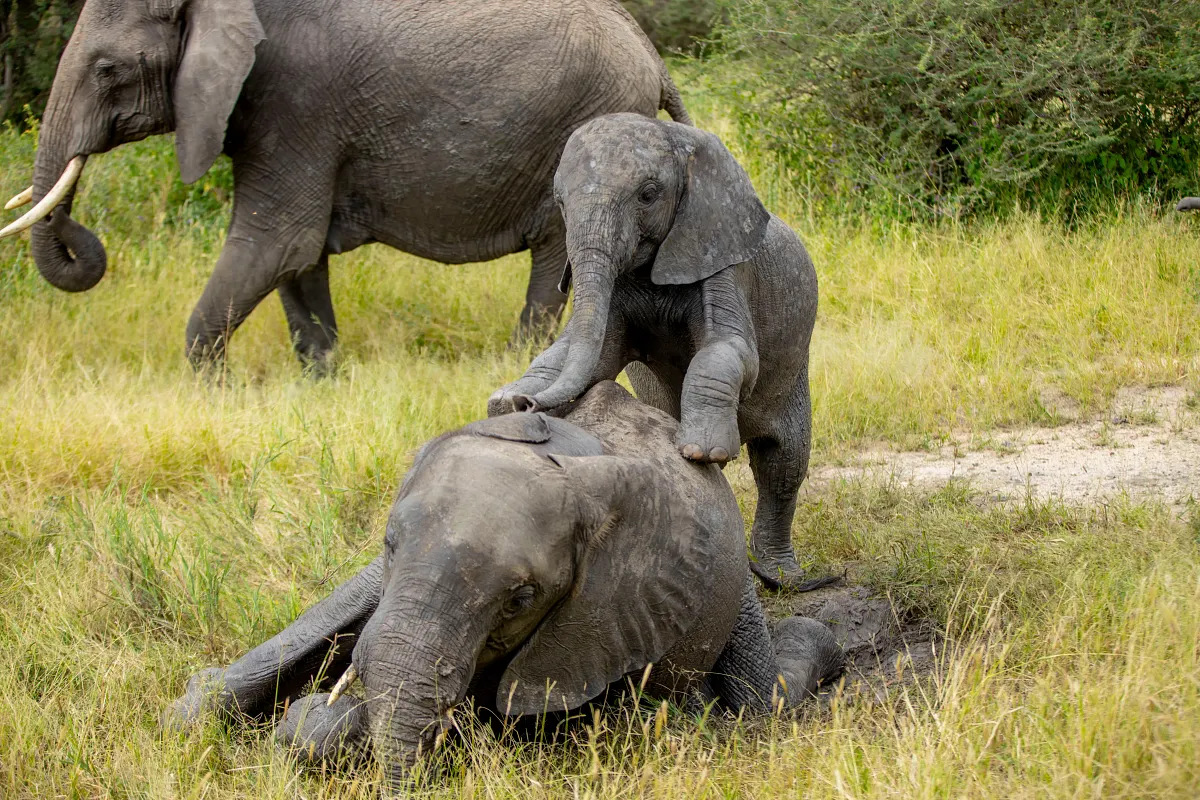
Wildlife viewing is rewarding year-round. The Seronera Valley in Central Serengeti is especially reliable for lions, leopards, cheetahs, elephants, giraffes and large antelope herds, while seasonal areas such as Ndutu, the Western Corridor and Northern Serengeti offer dramatic migration experiences.
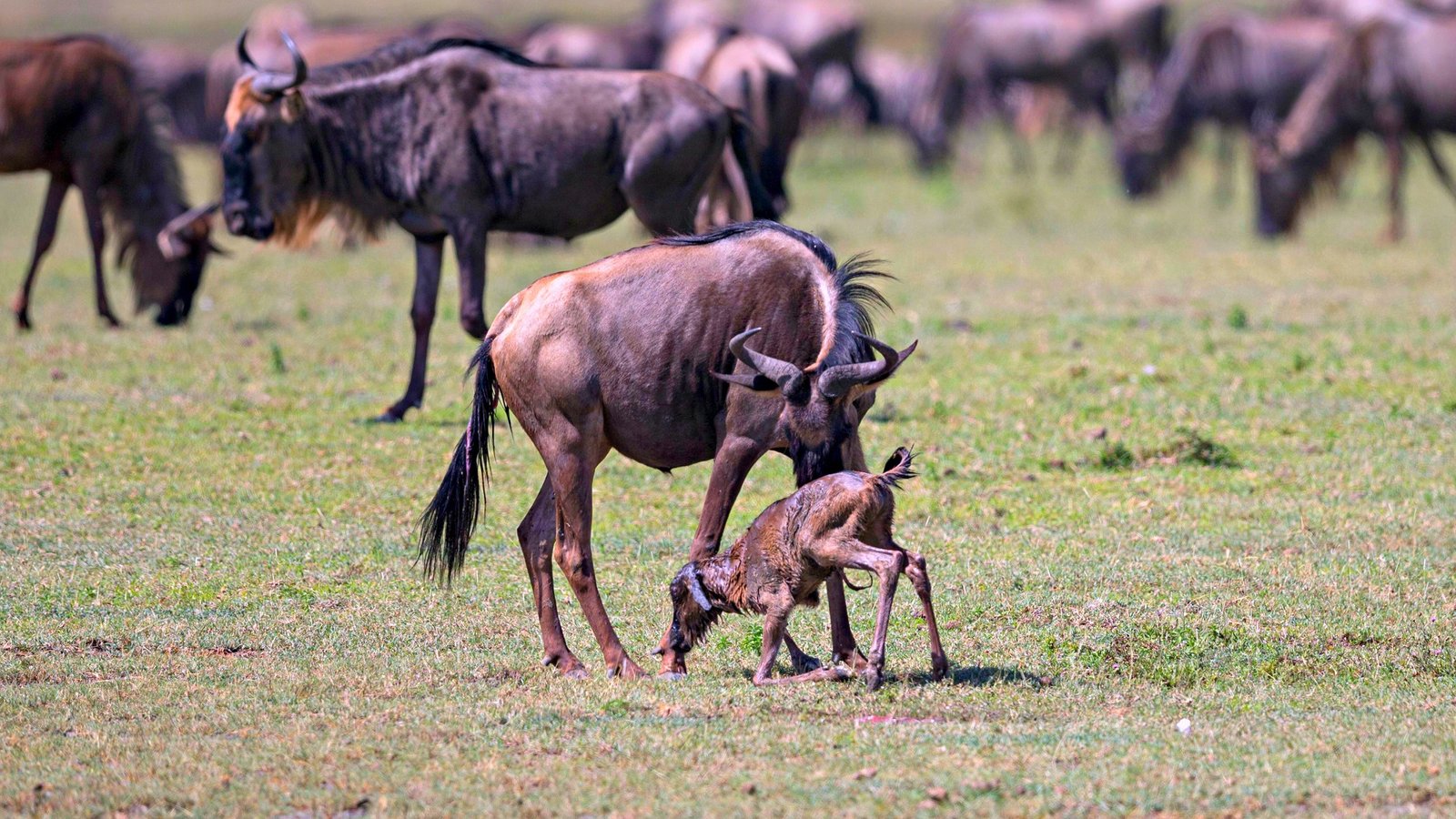
Calving usually takes place in the Southern Serengeti and Ndutu area from January to March, herds often move west and north from May to July, and Mara River crossing attempts are typically in the Northern Serengeti from July to October. Timing varies with rainfall, so flexible planning is important.
The Serengeti can be reached by road from Arusha via the Ngorongoro Highlands or by scheduled light aircraft flights to airstrips such as Seronera, Kogatende, Ndutu and Grumeti. A stay of at least three nights is recommended, with four or five nights ideal for a deeper safari.
Place Notes
What to Know Before You Go
01.
- Best For
- Migration, wildlife spectacles, photography
- Planning Note
- Ndutu, Central Serengeti, Western Corridor, Northern Serengeti
Great Migration seasons
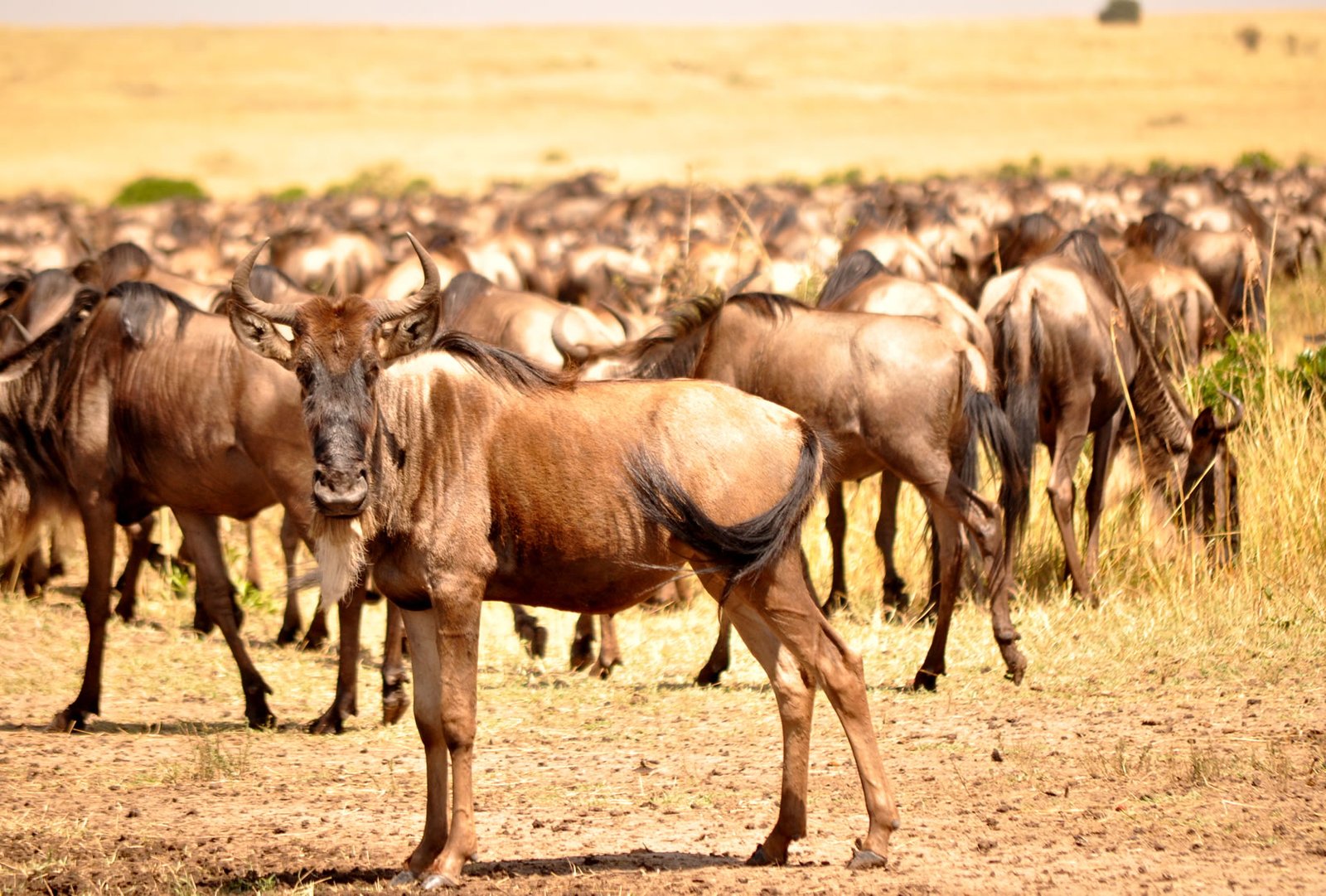
The Serengeti’s wildebeest migration moves with rainfall and fresh grazing. Calving is usually in the Southern Serengeti and Ndutu area from January to March, herds move through the central and western plains around May to July, and river crossing season is typically in the Northern Serengeti from July to October. Exact timing changes each year, so flexible routing is best.
02.
- Best For
- Predators, classic safari, first-time visitors
- Planning Note
- Central Serengeti
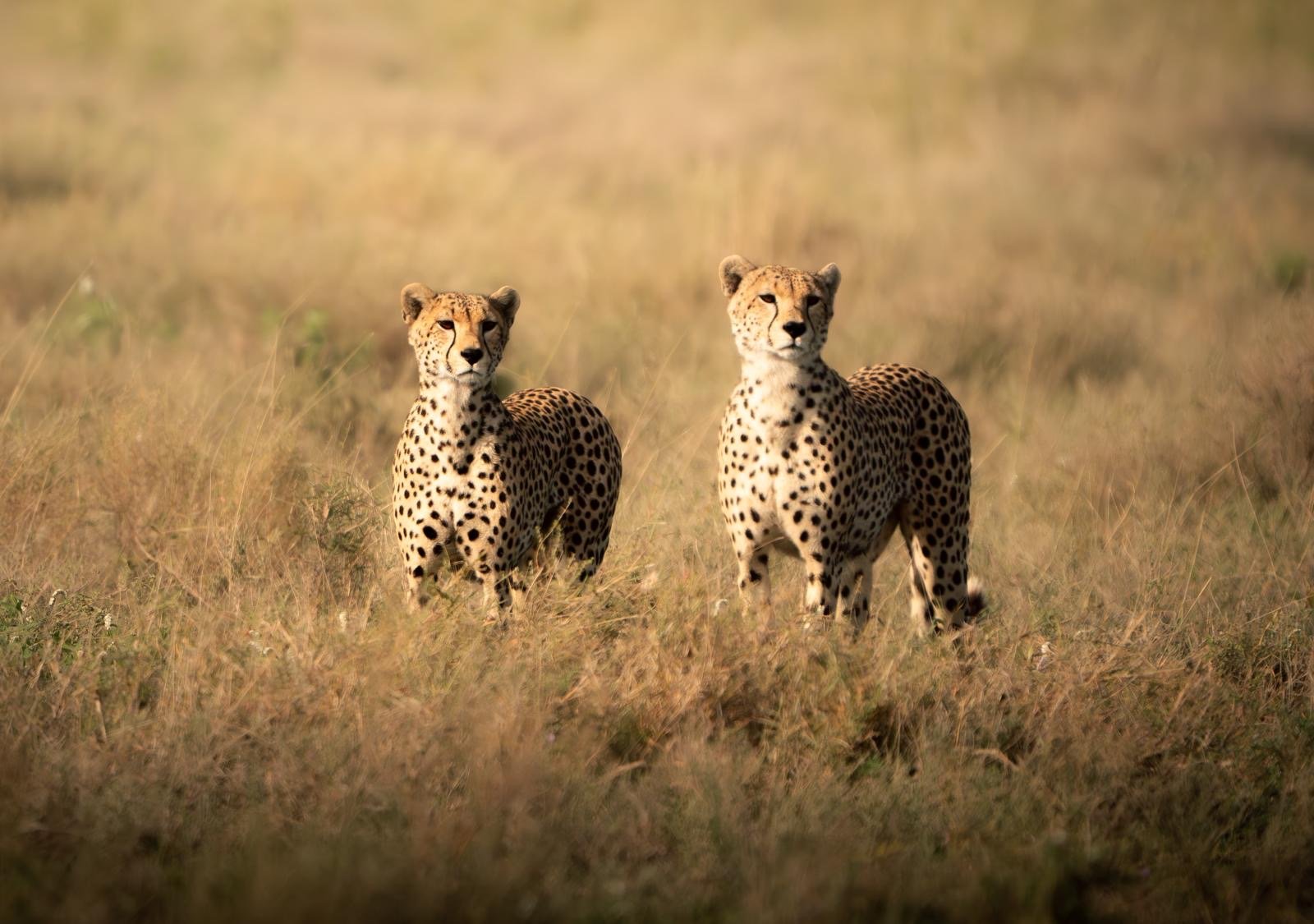
Big cats and year-round wildlife
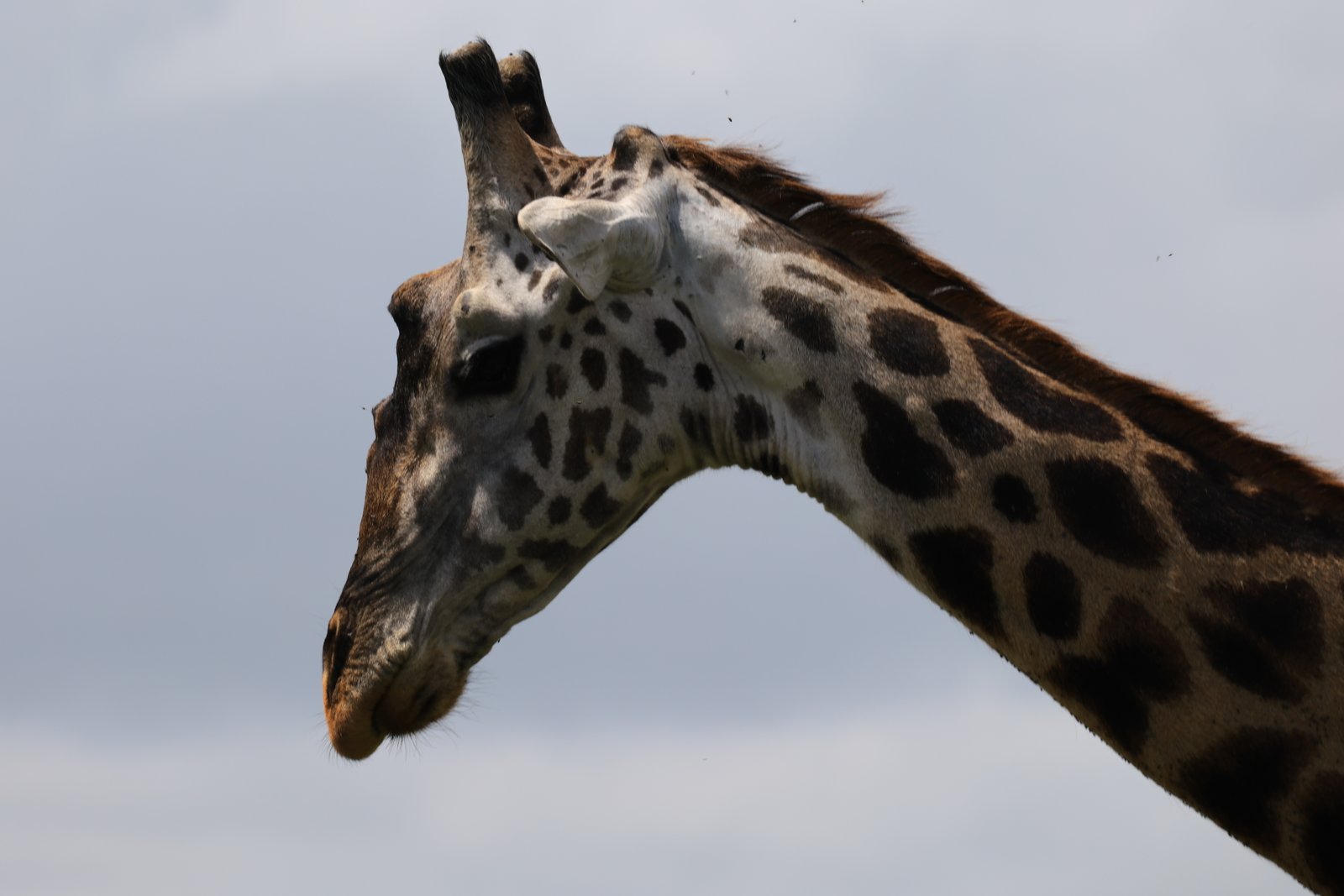
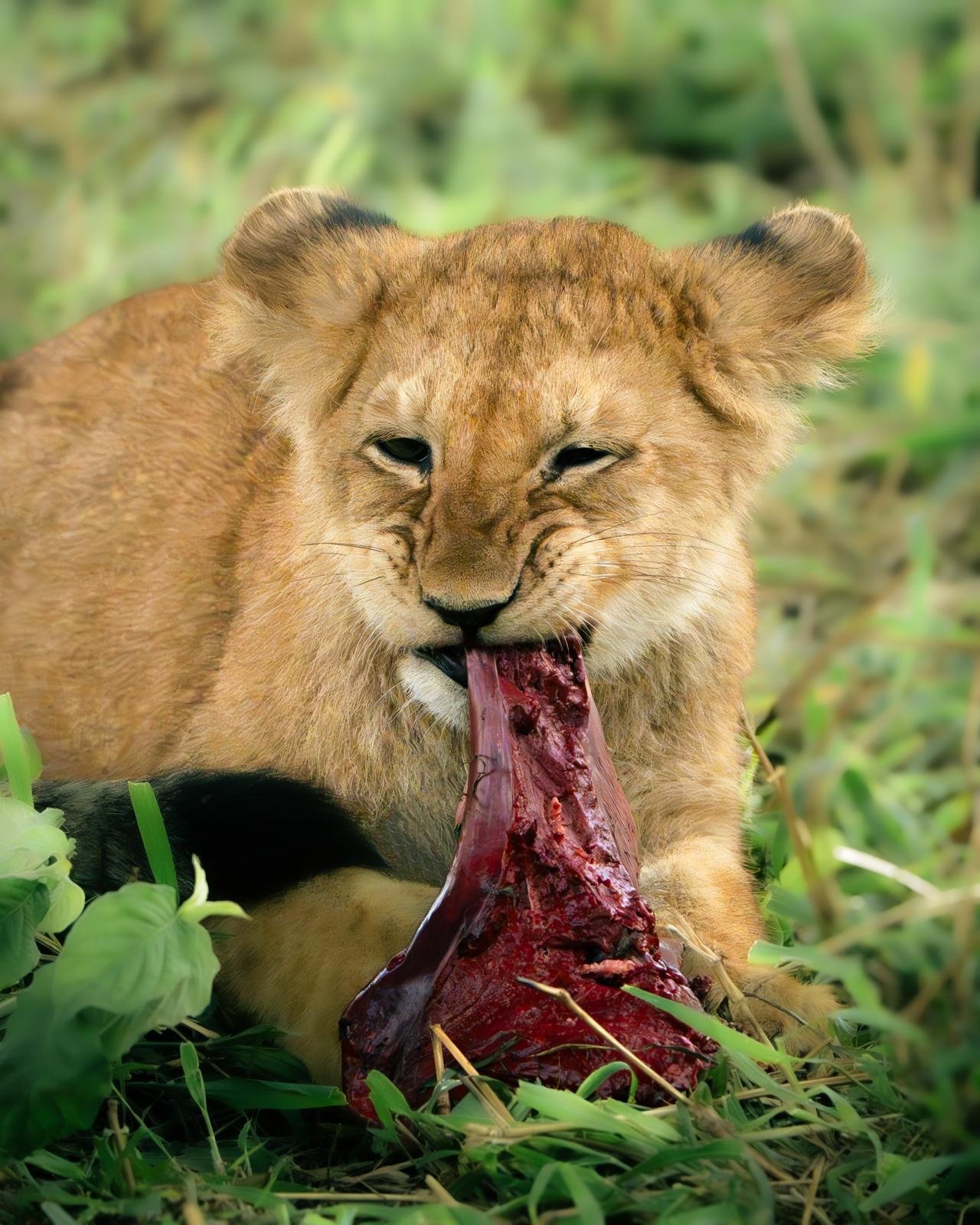
The Serengeti is excellent for lions, cheetahs, leopards, hyenas, elephants, giraffes and large antelope herds throughout the year. Central Serengeti, especially the Seronera Valley, is one of the most reliable areas for predator viewing and works well even when the main migration herds are elsewhere.
03.
- Best For
- Seasonal planning, migration routes, varied landscapes
- Planning Note
- Seronera, Ndutu, Grumeti, Kogatende
Best areas to stay
Choose your base according to the season and safari focus. Central Serengeti offers reliable wildlife and easier logistics, the Southern Serengeti and Ndutu are ideal for calving season, the Western Corridor is useful during the migration’s westward movement, and the Northern Serengeti is best for quieter wilderness and Mara River crossing attempts.
04.
- Best For
- Fly-in safaris, road circuits, efficient planning
- Planning Note
- Seronera or seasonal airstrip areas
Access and safari logistics
The Serengeti can be reached by road from Arusha via Ngorongoro, often as part of a northern Tanzania circuit, or by scheduled light aircraft flights to airstrips such as Seronera, Kogatende, Ndutu or Grumeti. Flying saves time, while driving allows stops at other highlights such as Tarangire, Lake Manyara and Ngorongoro Crater.
05.
- Best For
- Safari pacing, photography, deeper wildlife viewing
- Planning Note
- Central Serengeti plus one seasonal area
How long to stay
A minimum of three nights is recommended for a rewarding Serengeti safari, especially if combining game drives with a specific migration area. Four to five nights gives more time to explore different habitats and improves the chance of special sightings without rushing between distant regions of the park.
Recommended Packages
Safari Packages Featuring Serengeti National Park
Plan This Destination
Build Serengeti National Park into your safari.
Tell us when you want to travel and what kind of pace you like. We will shape the route, lodges, and nearby parks around the best season for this destination.